# Schools Move Beyond Phone Bans With Targeted Access Policies
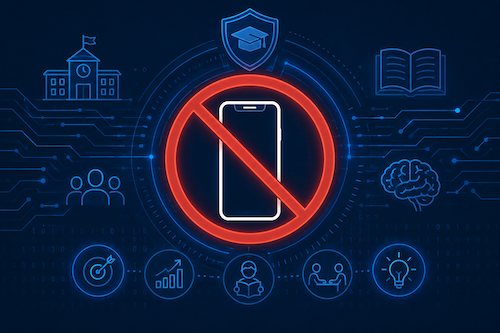
Schools across the country are shifting from outright cell phone bans to more nuanced policies that allow student device access while controlling when and how phones get used during instruction.
The approach reflects growing recognition that blanket prohibitions fail to address the real problem: distraction during class time. Instead, districts are implementing systems that keep phones accessible for emergencies and learning purposes while restricting their use during core instruction.
Several districts now use designated storage solutions, timed access periods, and clear classroom protocols rather than complete confiscation. Schools in states like California and New York have experimented with phone lockers, pouches, and time-based restrictions that let students retrieve devices during lunch, study halls, or designated tech-enabled lessons.
The shift acknowledges competing pressures. Parents want emergency communication channels open. Students benefit from phones for research and digital literacy skills. Teachers need uninterrupted class time for instruction. Complete bans often create enforcement headaches and parental pushback, while unlimited access derails learning.
Research on phone policies remains mixed. Some studies show test scores improve when phones stay out of classrooms during core subjects. Other research suggests the policy itself matters less than consistent implementation and student buy-in.
Schools implementing hybrid approaches report fewer disciplinary conflicts around confiscation, easier administrative enforcement, and maintained learning time. The key difference: policies target behavior and timing rather than devices themselves.
Experts recommend schools engage students and families in policy development, establish clear rationales for restrictions, and provide alternative communication paths for genuine emergencies. Training teachers on consistent enforcement prevents selective application that breeds resentment.
The evolution reflects broader acceptance that phones are fixtures in student life. Rather than fight that reality, effective schools build policies around focused learning moments, turning device management into a teachable exercise in self-regulation and appropriate technology use.