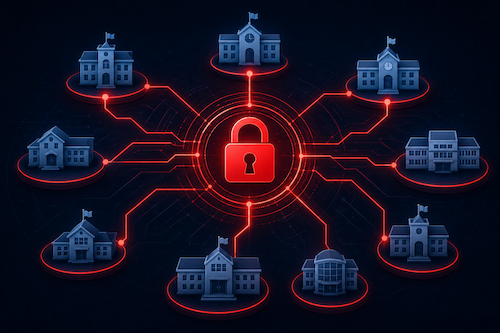
Canvas, one of the nation's leading learning management systems used by thousands of schools and universities, suffered a significant data breach. The incident exposed student and educator information across institutions relying on the Instructure platform.
The breach raises urgent questions about how schools handle cybersecurity. Many districts operate with outdated security practices, relying primarily on firewalls and endpoint protection. These defenses alone prove insufficient against sophisticated attacks. Hackers increasingly target education technology vendors because schools store sensitive personal data, including names, email addresses, enrollment records, and sometimes financial information.
Schools need comprehensive security strategies that go beyond perimeter defense. This includes multi-factor authentication, data encryption, regular security audits, and staff training on phishing and social engineering. It also requires vendors like Instructure to implement robust internal security protocols and quickly notify institutions when breaches occur.
The Canvas breach affects institutions nationwide. Universities and K12 districts depend on the platform for course management, grade tracking, and student communication. Thousands of schools use Canvas daily, making it a high-value target for attackers.
For school leaders, the breach demands immediate action. Districts should audit their security practices, verify that Instructure implemented recommended protections, and communicate transparently with parents and students about what data was exposed. Many states have notification laws requiring schools to inform affected individuals within specific timeframes.
Education technology adoption accelerated dramatically during the pandemic. Schools shifted to cloud-based platforms without always prioritizing security vetting. Budget constraints often force districts to choose affordability over robust cybersecurity investments. This creates persistent vulnerabilities.
The Canvas incident illustrates a broader pattern. Schools store increasingly valuable data while facing resource limitations. Districts cannot rely solely on vendors to protect information. They must build internal security capacity, budget adequately for protections, and hold vendors accountable. Education leaders who treat cybersecurity as peripheral rather than core risk operational failures and student privacy violations