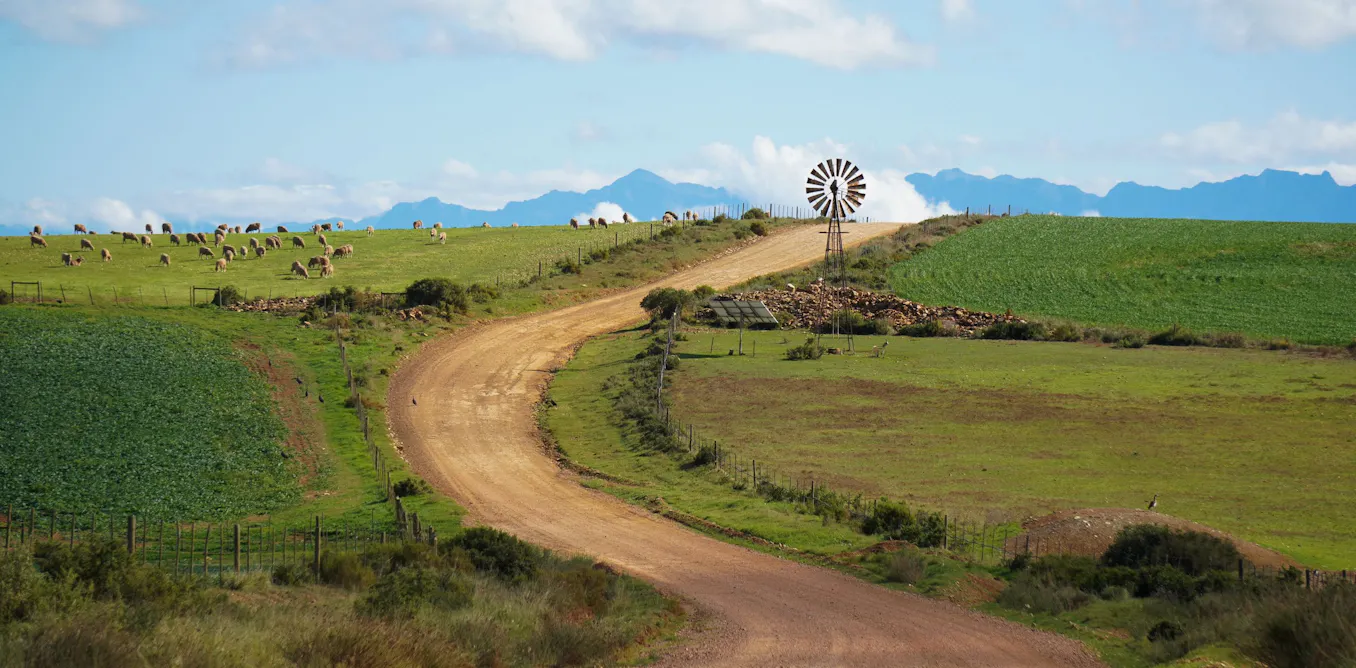
El Niño conditions threaten South Africa's agricultural output this year, but early rains and existing grain reserves may cushion the blow to food prices and household budgets.
The Southern African Development Community forecasts drier-than-normal conditions for much of southern Africa through March 2024. South Africa, the region's largest grain producer, faces particular risk. Maize output typically supplies both domestic consumption and regional exports. A severe drought could drive up grain prices across southern Africa, affecting food security for millions.
However, South Africa's timing offers advantage. Earlier-than-normal rains in recent weeks have allowed farmers to plant crops with better moisture conditions than typical El Niño years. The national grain storage system also holds reserves from previous harvests, providing buffer stock if the current season underperforms.
The country's grain storage capacity sits at approximately 1.3 million tons. Officials stress this reserve can sustain the population through a partial crop failure without triggering severe shortages or price spikes. The Department of Agriculture projects sufficient supplies to meet domestic demand even under drought conditions, though margins remain tight.
Farmers report improved soil moisture in key production regions. Planting rates have proceeded faster than in past El Niño cycles. If moderate rains continue through the growing season, yields could meet or exceed expectations despite broader regional dryness.
Food inflation remains a concern. South Africa experienced elevated grain and food costs in 2022 and 2023 following global supply chain disruptions and previous weather shocks. Any drought-driven crop loss would compound inflationary pressure on bread, maize meal, and other staple foods that dominate poor households' budgets.
Agricultural economists note that El Niño impacts vary widely within countries. Some provinces may experience severe water stress while others receive adequate moisture. Irrigation-dependent regions face lower risk than rainfed farming areas.
The next