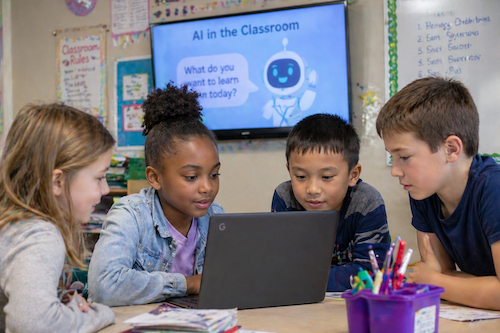
Schools across the country are deploying artificial intelligence in classrooms without coordinated policies or shared definitions of what AI actually does. Individual teachers decide which tools to use, how to implement them, and whether students interact with the technology at all. This fragmented approach creates vastly different student experiences depending on which classroom a student enters.
The lack of institutional guidance means teachers cobble together their own AI strategies. Some use AI writing assistants to help students generate first drafts. Others deploy chatbots for personalized tutoring. Still others avoid AI entirely, viewing it as a threat to critical thinking skills. No baseline exists across most districts about what AI competencies students need or how teachers should evaluate AI-generated work.
This inconsistency matters. Students in one school may graduate with hands-on experience using large language models while peers at nearby schools have minimal exposure. Teachers working in isolation also lack professional development on AI pedagogy, bias detection in algorithms, or how to teach students to use these tools responsibly.
District leaders face real barriers to creating unified AI policies. Technology moves faster than policy can keep pace with. Teachers lack consensus on whether AI helps or harms student learning. Budget constraints limit professional development and tool access. Some schools cannot afford premium AI platforms, forcing reliance on free versions with different capabilities and privacy implications.
The stakes extend beyond classroom consistency. Students need to understand AI literacy as they enter a workforce increasingly shaped by these technologies. Yet without intentional teaching, students may use AI tools without grasping how they work, where their biases originate, or what ethical questions they raise.
Some districts have begun developing AI frameworks that outline when and how teachers should integrate these tools. These policies typically address student data privacy, appropriate uses across subjects, and professional learning requirements. But adoption remains patchwork.
Teachers and administrators agree AI will persist in schools. The question now centers on whether schools will shape AI integration deliberately or let individual