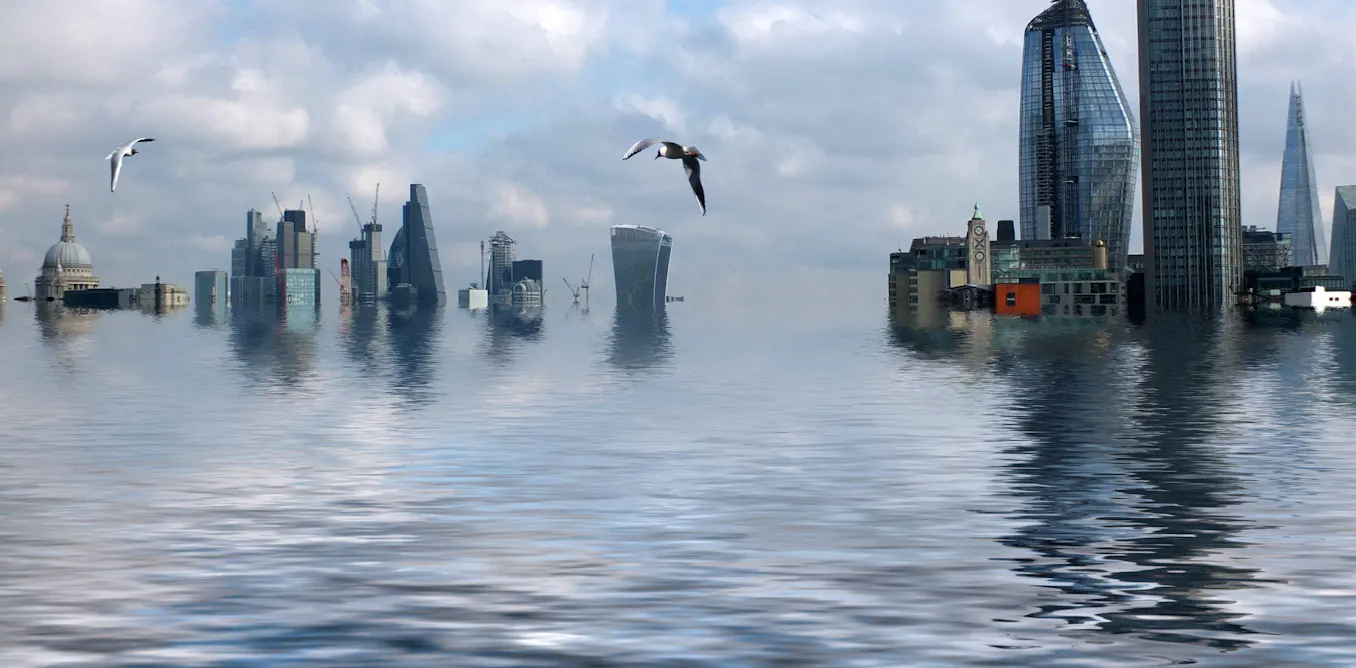
Climate scientists increasingly face pressure to communicate only the most likely outcomes, but researchers argue this approach leaves society unprepared for genuine catastrophic risks that, while improbable, remain physically possible if warming continues unchecked.
The article challenges the convention that scientists should emphasize central estimates and most probable climate futures. Instead, it makes the case that understanding tail-risk scenarios matters for policy and preparedness. London may not flood, but other cities face serious threats. Ice sheet collapse, ocean circulation disruption, and cascading climate impacts remain within the realm of possibility if greenhouse gas emissions accelerate.
This framing matters for several reasons. First, low-probability, high-impact events shape insurance, infrastructure planning, and disaster preparedness. Second, communicating only "likely" outcomes can create false confidence that damage will remain manageable. Third, worst-case scenarios that are physically plausible deserve exploration because they inform which interventions genuinely matter.
The tension between scientific accuracy and public communication is real. Scientists worry that discussing catastrophic outcomes feeds climate denialism or induces paralysis. But the counterargument holds that citizens, policymakers, and investors need honest risk assessments, not reassurance disguised as objectivity.
The piece does not claim these worst cases will happen. Rather, it argues that scientists have a responsibility to characterize the full range of outcomes supported by current evidence, including those with low probability but enormous consequences. This allows decision-makers to weigh trade-offs and allocate resources appropriately.
Educators and administrators in schools should understand this debate. Climate literacy requires students to grasp both most-likely projections and genuine remaining risks. Teaching only the probable future, while omitting the possible one, incompletely prepares young people for the choices they will inherit. The distinction between unlikely and impossible shapes how we think about prevention, adaptation, and responsibility.