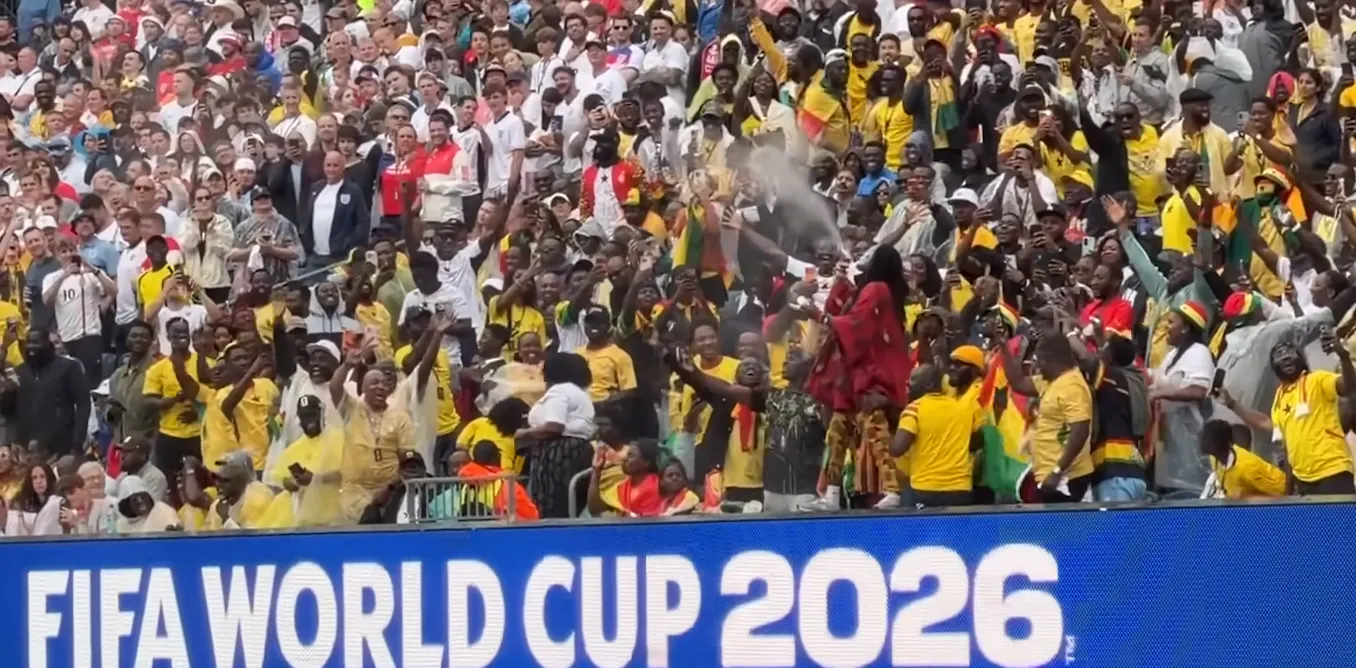
# What Ghana's World Cup 'Juju Man' Tells Us About Sport and Spirituality in Africa
Ghana's national soccer team employs spiritual practitioners alongside coaches and medical staff, a practice that reflects deep cultural traditions across African athletics. The team's reliance on what Western observers call a "juju man" (a spiritual advisor or ritual specialist) during World Cup campaigns reveals how African sports culture integrates metaphysical beliefs with competitive preparation.
This approach stems from centuries-old African spiritual frameworks that view athletic performance as connected to mental, physical, and spiritual dimensions. Many African athletes and coaches see spiritual preparation as legitimate as tactical training or strength conditioning. The juju man typically performs rituals, offers blessings, and provides psychological reinforcement designed to boost team cohesion and player confidence before critical matches.
The integration of spiritual practice in Ghanaian soccer operates within a broader Pan-African context. Similar traditions exist across West Africa and the continent. Nigerian, Cameroon, and South African teams have incorporated spiritual advisors, recognizing that these practices serve cultural and psychological functions within their communities.
Western sports frameworks often dismiss such practices as superstition, but sports psychology increasingly acknowledges the performance benefits of ritual and belief systems. Rituals can reduce anxiety, strengthen team identity, and enhance focus through the power of collective belief. For players and coaches rooted in African spiritual traditions, these practices feel authentic and purposeful rather than performative.
Ghana's approach also reflects resistance to purely Western models of sports professionalism. By maintaining traditional spiritual practices, the team honors cultural heritage while competing at the highest levels of international soccer.
This coexistence of tradition and modernity in African sports challenges the false choice between "scientific" versus "spiritual" preparation. Both operate simultaneously in Ghanaian soccer, demonstrating how different knowledge systems can inform athletic practice without contradiction.