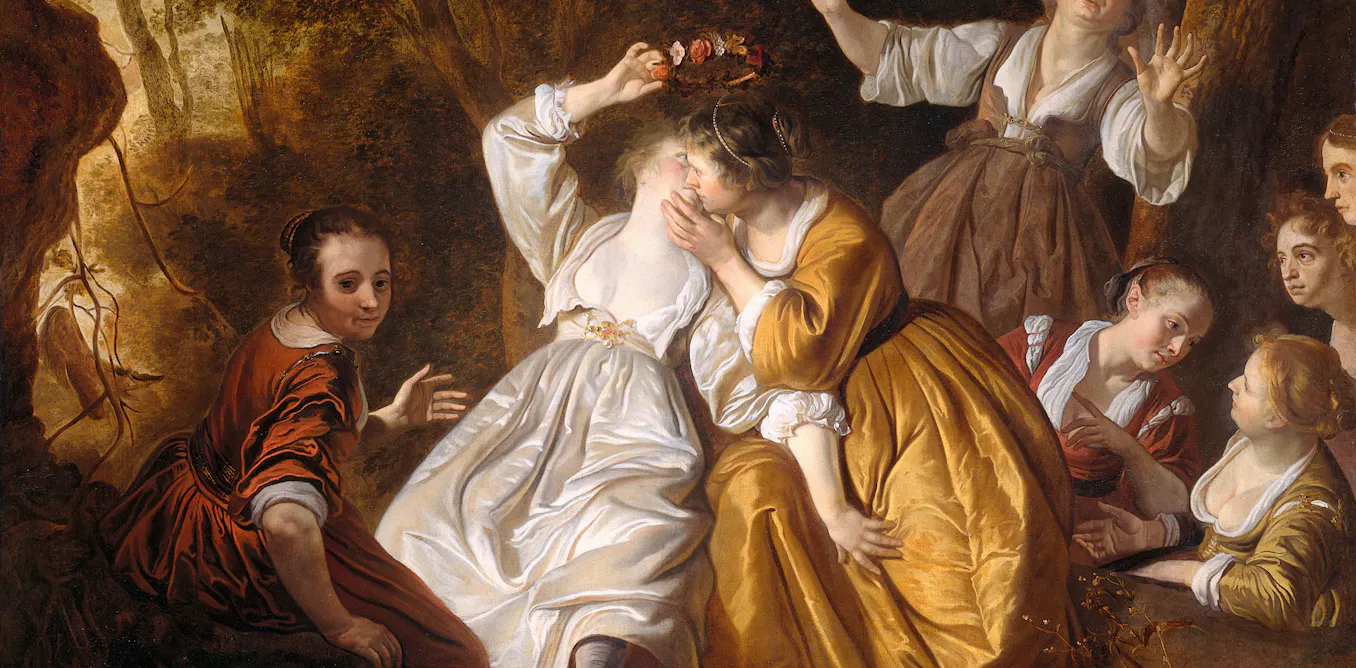
# Scotland's Hidden Renaissance: A 16th-Century Lesbian Poet Emerges from History
Scholars are bringing renewed attention to a 16th-century Scottish poet whose life and work challenge conventional narratives about women, sexuality, and intellectual achievement in early modern Europe. The figure, identified through historical research, represents an educated woman who exercised rare agency during an era when female autonomy was severely constrained.
The poet exemplified intellectual self-determination unusual for her time. She received formal education, participated in literary circles, and produced work that survives in historical records. Most notably, her writings document a significant romantic relationship with another woman, offering rare documentary evidence of same-sex desire in Renaissance Scotland.
The rediscovery carries weight beyond literary history. It demonstrates that lesbian identity and expression existed in early modern Britain, contrary to historical erasure that positioned such relationships as modern inventions. The poet's documented emotional and intellectual life provides concrete evidence that women pursued meaningful partnerships across gender boundaries centuries before contemporary visibility movements.
Her story gains particular resonance through comparison to contemporary cultural touchstones. The reference to "Gentleman Jack," the BBC drama depicting 19th-century landowner Anne Lister's lesbian relationships, underscores how modern audiences increasingly seek historical narratives centered on women's autonomy and queer identity. This Scottish poet offers comparable material from an earlier period, suggesting such stories persist across centuries if historians look for them.
The work highlights broader gaps in how Scotland's cultural and literary heritage has been preserved and told. Renaissance Scotland produced educated women whose contributions scholars often overlooked or misinterpreted. Recovering these figures requires sustained archival work and willingness to read historical documents through new interpretive lenses that recognize women's agency and relationships on their own terms.
Her legacy matters to contemporary education because it expands what students learn about historical possibility. When curricula include only male-centered narratives of