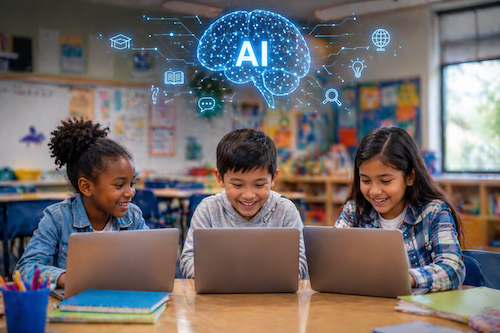
Students can leverage artificial intelligence tools to strengthen reading and writing abilities when used strategically under educator guidance. Schools face pressure to teach responsible AI use rather than ban the technology outright.
Three practical applications emerge for literacy development. First, AI writing assistants help students revise and refine drafts by offering real-time feedback on grammar, tone, and clarity. Tools like Grammarly and similar platforms identify errors students might miss and explain corrections, turning revision into active learning. Second, AI reading comprehension tools break down dense texts by summarizing passages, defining unfamiliar vocabulary, and answering questions about content. Students use these features to engage with challenging material independently rather than abandoning texts entirely. Third, AI tutoring systems adapt to individual reading levels and pacing, providing personalized practice with instant correction. These systems track progress and adjust difficulty in real time.
The key distinction separates acceptable enhancement from academic dishonesty. Using AI to generate complete essays violates integrity policies. Using AI to receive feedback on student-written work builds skills. Educators must coach students on this boundary clearly.
Schools implementing these approaches report improved confidence in struggling readers and writers. The strategy requires explicit instruction on ethical AI use alongside technical training. Teachers need professional development to model appropriate applications during lessons.
Bans alone prove ineffective. Students access AI tools outside school regardless of classroom policies. Schools that embrace intentional, supervised use prepare students for workplaces where AI literacy matters. The English classroom becomes the training ground for discernment about technology, not just a place where it is forbidden.
Districts including this instruction in literacy curriculum report stronger student outcomes on standardized writing assessments. Integration works best when paired with clear rubrics distinguishing human effort from AI assistance and when teachers actively monitor how students employ these tools.