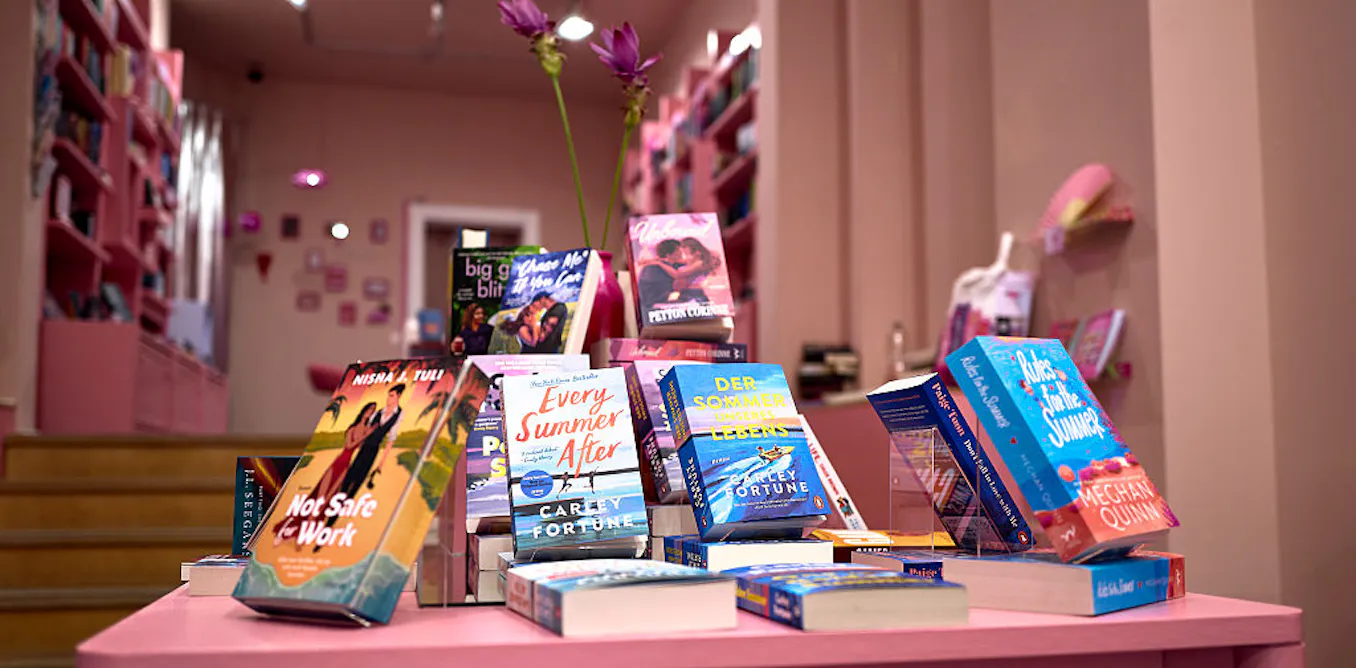
Two independent romance bookstores launched in Pittsburgh's Lawrenceville neighborhood in early 2026, tapping into a publishing sector worth billions annually. The stores cater to a readership that extends far beyond casual novel consumption, with customers seeking spaces for connection and community.
Romance fiction generates over $1.4 billion in annual sales in the United States, making it the largest fiction genre by revenue. Yet the rise of e-readers and online retail has shrunk the physical bookstore landscape considerably. These new shops buck that trend by focusing on a devoted, underserved audience.
The stores offer more than inventory. They host book clubs, author events, and social gatherings. One location features a reading lounge where customers can sample titles before purchase. Both shops employ staff trained to match readers with books based on preference rather than algorithm.
A psychologist quoted in the piece explains that readers crave spaces where they can discuss books face-to-face without the isolation of digital consumption. Romance readers, particularly women and LGBTQ+ communities, report feeling judged online for their genre preferences. Physical spaces provide validation and judgment-free engagement with texts that matter to them.
The Lawrenceville openings reflect broader shifts in independent retail. Publishers report increased foot traffic to physical stores in neighborhoods with strong community identity. Romance readers, data shows, prioritize local recommendations and in-person discovery over algorithm-driven suggestions.
Both shops source from traditional publishers and self-published authors, expanding access for writers who market primarily through digital channels. Owners report strong opening months and plans to expand programming.
The success speaks to reader demand for tactile, social experiences around books. As digital reading dominates consumption, these spaces fill a specific gap: community built around shared literary passion, without screens mediating the connection.