# Summary
A diplomatic approach centered on economic incentives offers a more viable path than military force for resolving tensions in the Strait of Hormuz, according to analysis from The Conversation.
The piece argues that pragmatists within Iran's government recognize the country's core needs: sanctions relief and reintegration into global markets. These economic pressures have created openings for negotiation that military posturing cannot exploit.
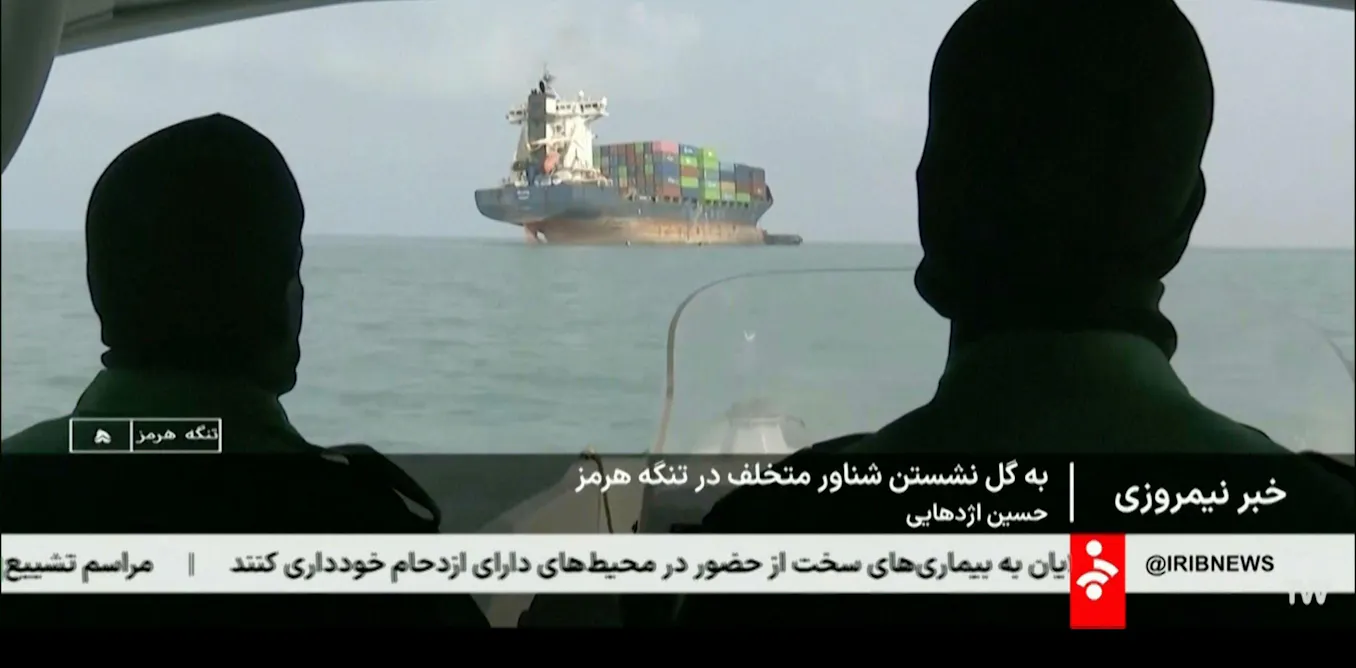
The Strait of Hormuz, through which roughly one-fifth of global oil passes, remains one of the world's most strategically vital waterways. Recent years have seen escalating rhetoric and military presence from both the United States and Iran in the region, raising concerns about accidental conflict or deliberate confrontation.
The article contends that offering concrete incentives, rather than threats or force, aligns with how Iran's more pragmatic factions actually view national interests. Sanctions have devastated Iran's economy, limiting its ability to access international banking systems, sell oil freely, and engage in normal trade. These conditions create conditions where negotiated settlements become attractive to decision-makers who prioritize economic recovery.
Historical precedent supports this framing. The 2015 Joint Comprehensive Plan of Action, or JCPOA, demonstrated that Iran's leadership could commit to significant constraints on nuclear development when offered meaningful economic benefits and international legitimacy.
The analysis suggests that a return to serious diplomacy, with sanctions relief as a tangible incentive, speaks to the actual calculations of Iranian officials concerned with their country's economic future. Military escalation, by contrast, hardens positions and reduces space for negotiation.
The piece reflects broader debate among foreign policy experts about whether security challenges in the Middle East require military responses or economic and diplomatic solutions. For the Strait of Hormuz, the argument runs that sustainable stability depends on addressing Iran's underlying economic grievances rather than projecting military power.