# The Hidden Cost of Fragmented Student Data in K–12 Schools
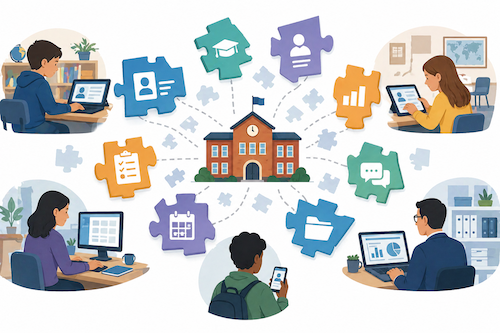
Student data scattered across multiple systems is quietly undermining school effectiveness. Many K–12 districts maintain separate databases for attendance, grades, special education records, behavioral data, and health information. Teachers cannot see a complete picture of each student. Counselors lack real-time access to academic performance. Administrators struggle to identify struggling students early. This fragmentation wastes time and resources while limiting schools' ability to intervene before students fall behind.
The operational toll is real. Teachers spend hours manually transferring data between platforms instead of planning instruction. Administrative staff duplicate data entry across systems, creating errors and inconsistencies. When a student transfers between schools or districts, records often take weeks to arrive, forcing educators to restart their assessment process. Schools lose institutional knowledge about individual students because information lives in isolated silos.
The impact extends beyond efficiency. Fragmented data prevents schools from identifying patterns in student performance. A child struggling in math might also show warning signs in attendance or behavior, but if those data sources never connect, teachers miss the opportunity for coordinated support. Special education teams cannot easily cross-reference assessment results with classroom observations. Counselors cannot quickly flag students at risk of dropping out because they lack access to comprehensive behavioral and academic records.
Privacy and accuracy suffer too. Multiple unintegrated systems increase the likelihood of data breaches. When information exists in separate places, schools struggle to ensure records stay current and accurate. Parents receive conflicting information from different departments.
The financial cost compounds annually. Schools purchase overlapping software solutions, maintain multiple databases, and employ staff to manage data transfer between systems. Money spent managing fragmented data is money not spent on classroom instruction or student support services.
Forward-thinking districts are consolidating platforms and implementing integrated student information systems that centralize data while maintaining privacy protections. When attendance, academic performance, behavioral records, and health information