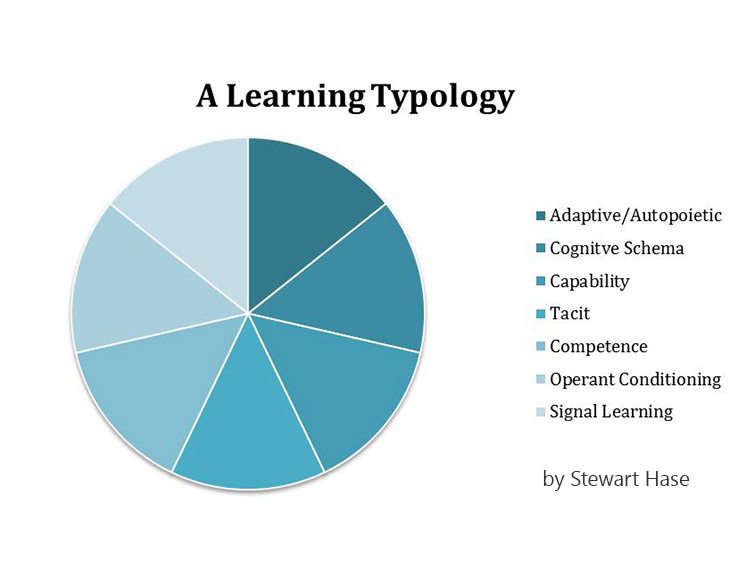
# A Learning Typology: 7 Ways We Come To Understand
TeachThought has released a framework that organizes how people learn, distinguishing between a typology and a taxonomy. While a taxonomy classifies things into hierarchical categories, a typology groups items by shared characteristics without strict ranking.
The framework identifies seven distinct learning pathways. Each represents a different cognitive route to understanding. The distinctions matter because students don't all learn the same way, and teachers who recognize these patterns can adjust instruction accordingly.
The typology avoids the rigid structure of traditional learning style theories like the VAK model (visual, auditory, kinesthetic), which research has increasingly challenged. Instead, it focuses on how learners process information and construct meaning across different contexts.
Understanding these seven pathways helps educators move beyond one-size-fits-all instruction. A student who learns through storytelling, for instance, builds understanding differently than one who learns through systematic analysis or hands-on experimentation. Recognition of these differences allows teachers to design lessons that activate multiple pathways simultaneously.
This framework proves useful for curriculum design, professional development, and classroom practice. Teachers can map their instructional strategies against each pathway to ensure they're reaching learners who think in different ways.
The distinction between typology and taxonomy also signals a broader shift in education research. Rather than trying to place students in fixed categories, educators increasingly focus on the flexible, fluid nature of how learning actually happens. Students use different pathways in different subjects and at different times.
TeachThought positions this typology as a practical tool for reflection and planning, not as labels that limit learners. When educators understand the multiple ways understanding develops, they can create more responsive classrooms that honor cognitive diversity.