# World Cup Ball Performs Normally, Physics Analysis Shows
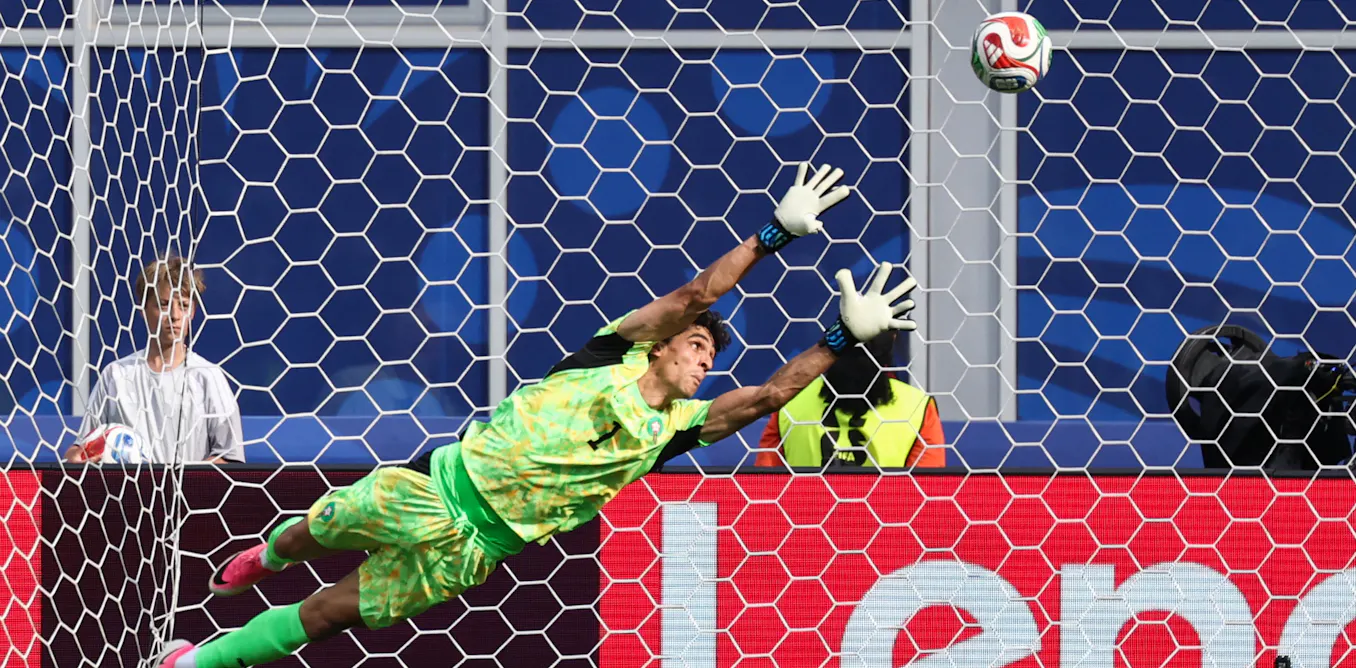
The Trionda ball used at this World Cup tournament has faced criticism from some goalkeepers who claim it travels too fast or behaves unpredictably in flight. A physicist who tested the ball found no evidence supporting these complaints.
The criticism echoes concerns raised during previous tournaments. In 2010, goalkeepers complained about the Jabulani ball, claiming unusual aerodynamic properties gave it an unfair advantage. That controversy prompted FIFA to tighten specifications for official match balls.
The current Trionda ball meets FIFA's technical standards for weight, circumference, and bounce characteristics. When tested under controlled conditions, the ball demonstrated normal flight patterns consistent with previous World Cup balls and standard soccer equipment.
Goalkeeper perception differs from measurable physics. Players adjust to equipment changes through practice and familiarity. Early tournament rounds often generate equipment complaints as teams adapt to new conditions, playing surfaces, and atmospheric factors like temperature and humidity that affect ball behavior.
The Trionda's design does include some modifications from earlier balls, including panel construction and surface texture. These changes aim to improve consistency and performance across different playing conditions. FIFA conducted extensive testing before approving the ball for tournament use.
Physics testing provides objective data that contradicts anecdotal reports from players. While individual goalkeepers may feel the ball behaves differently than equipment they trained with, controlled experiments show the Trionda performs within expected parameters.
Tournament officials have not received formal complaints requiring investigation into the ball's legitimacy. The equipment remains approved for continued use throughout the competition.