# Smallpox Spread From First Fleet Killed Hundreds of Thousands of Indigenous Australians
New mathematical modelling reveals the 1789 smallpox epidemic that arrived with Sydney's First Fleet devastated Indigenous Australian populations across vast distances and timescales previously underestimated. Researchers found the disease may have killed up to 220,000 Aboriginal people across the Sydney region and beyond.
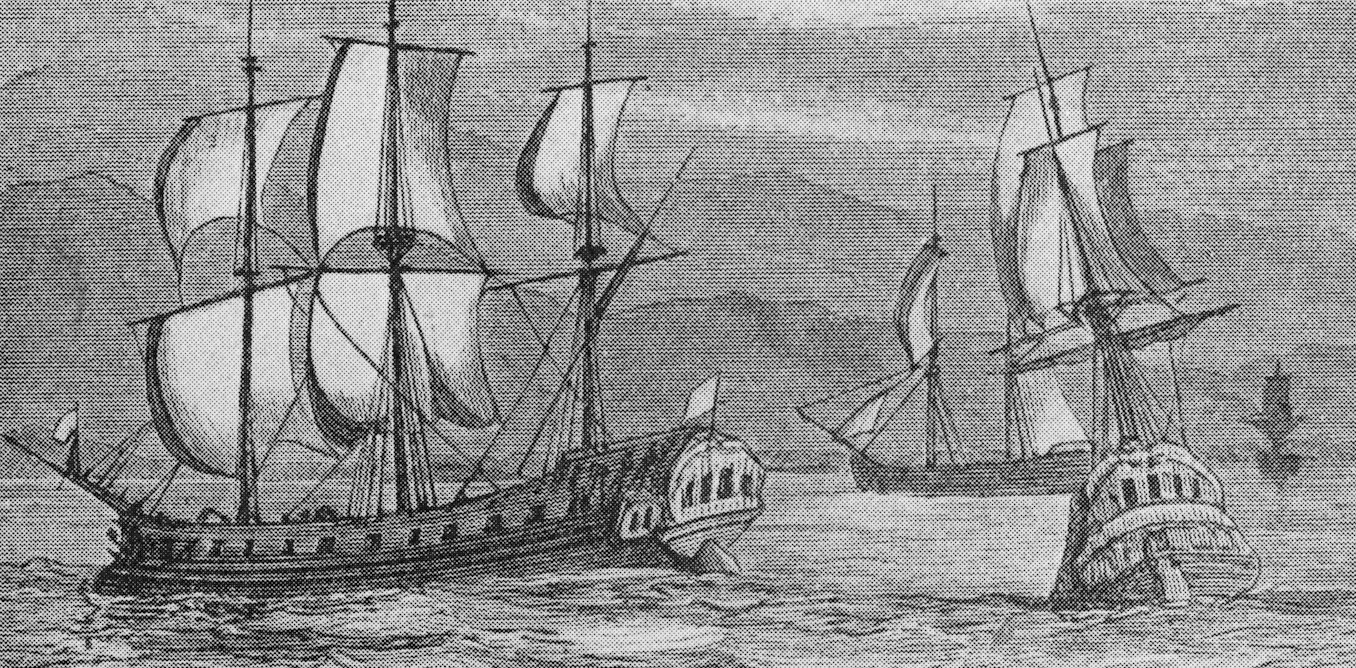
The epidemic began shortly after the First Fleet arrived in Port Jackson in January 1788, carrying the virus from Europe. Mathematical models tracking transmission patterns show the outbreak spread thousands of kilometers beyond Sydney and persisted for decades, not just the months previously documented in historical records.
Smallpox ravaged societies with no prior exposure to the virus. Indigenous populations lacked acquired immunity, making the disease far more lethal than in European contexts. The models account for population density, seasonal factors, and transmission routes along trade networks and travel corridors that connected Aboriginal communities across the continent.
The research challenges earlier estimates of the epidemic's impact. While historical accounts focused primarily on the immediate Sydney area, the modelling demonstrates the virus traveled deep into the interior and coastal regions, following pathways used by Indigenous traders and travelers. This geographic reach explained the high mortality figures across dispersed populations.
The study underscores the catastrophic consequences of colonization beyond direct violence. Disease transmission accelerated population collapse among Aboriginal peoples who faced simultaneous pressures from land dispossession, resource depletion, and violent conflict with settlers. The smallpox outbreak killed more Indigenous Australians than any other single event in the early colonial period.
These findings emerged from collaborative research combining historical epidemiology with population modeling techniques. Scholars analyzed known infection cases, mortality patterns, and oral histories to reconstruct transmission dynamics across Aboriginal social networks. The work represents growing recognition among historians and scientists that quantitative methods can illuminate the scale of epidemiological catastrophe in