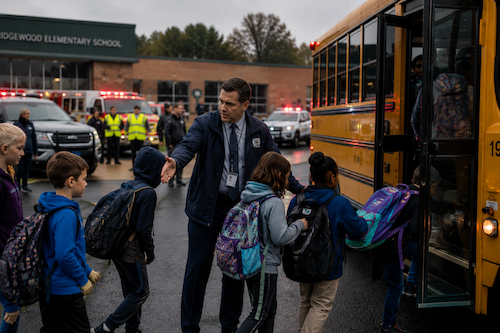
Schools implement comprehensive safety planning through concrete protocols and regular practice, moving beyond theoretical checklists to create measurable protection for staff and students.
Comprehensive school safety planning addresses multiple layers of threat prevention and response. Districts develop written protocols covering entry points, visitor management, emergency communication systems, and staff training schedules. These plans translate into specific actions: lockdown drills, evacuation procedures, threat assessment teams, and mental health screening processes.
The distinction between theory and practice matters. A safety plan on paper fails without execution. Schools that succeed conduct regular drills so students and staff respond automatically during actual emergencies. Staff members receive training on recognizing warning signs. Administrators practice decision-making during simulated incidents.
Effective plans account for different threat types. Active shooter scenarios require different responses than medical emergencies or natural disasters. Schools coordinate with local law enforcement, emergency responders, and counselors to align protocols across agencies. Communication systems must reach every classroom within seconds.
The human component proves decisive. Teachers and support staff need training not just on emergency procedures but on mental health awareness and threat reporting. Students benefit from understanding why drills happen and what to do. Parents need clear information about their school's safety measures and how they will receive updates during incidents.
Districts document safety outcomes. Schools tracking near-misses, threat reports, and intervention success identify patterns. Data shows which staff members received training, which entry points received security upgrades, and how quickly communication systems activated during practice drills.
Implementation costs money and time. Schools allocate budget for security personnel, communication technology, and staff training hours. The time investment in repeated drills cuts into instructional minutes. Districts balance safety spending against other educational needs.
Schools that treat safety planning as an evolving process rather than a one-time compliance box adapt as threats change. They gather feedback from staff and students after drills. They review incident reports and adjust procedures. They replace outdated