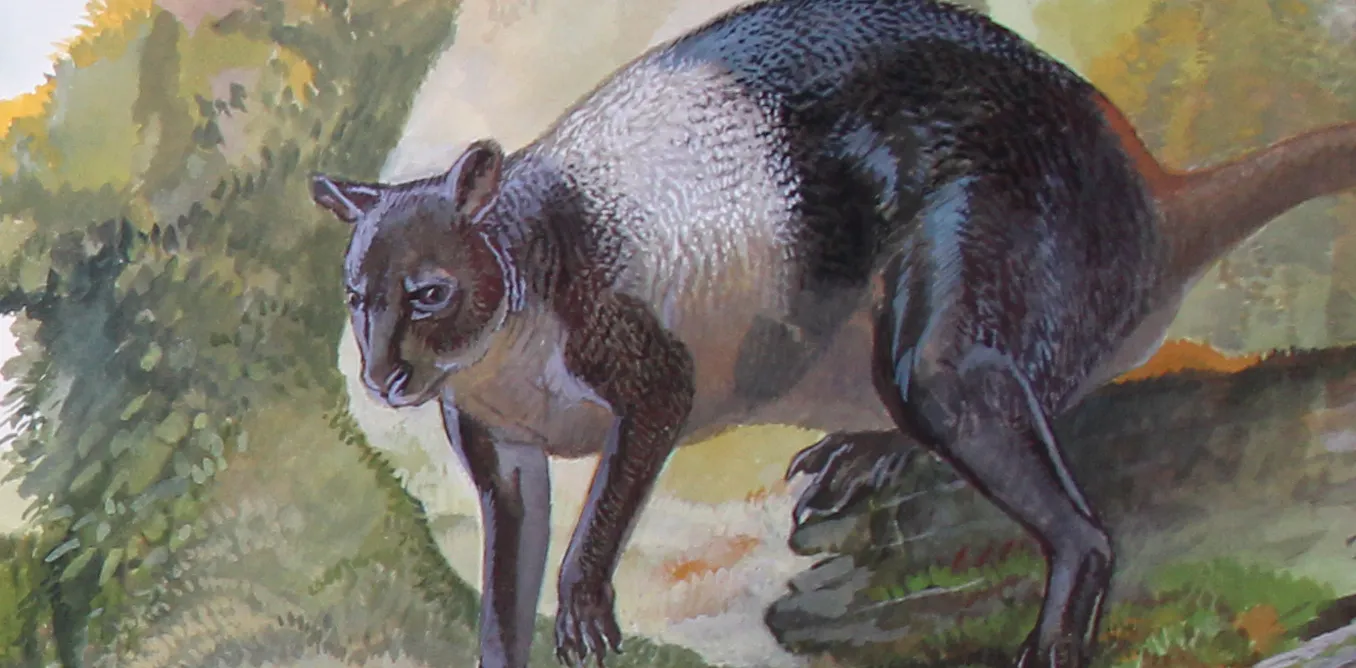
# Giant Kangaroos Persisted Longer Than Previously Thought, New Research Shows
Giant kangaroos roamed the coastal regions of New Guinea until roughly 6,500 years ago, far longer than scientists previously believed. A new study challenges the long-held assumption that climate change alone caused the extinction of megafauna across Australia and the Pacific region.
Researchers analyzed fossil evidence and archaeological sites along the New Guinea coast and found that these enormous marsupials survived through climate shifts that would have eliminated them if environmental change was the sole driver of extinction. The findings suggest human activity played a more direct role than earlier theories acknowledged.
The study reconstructs a timeline showing that giant kangaroos persisted through multiple periods of environmental stress. Yet they vanished relatively quickly once human populations expanded into coastal areas where these animals lived. This pattern points to overhunting, habitat destruction, or competition with human settlers as the primary extinction drivers.
New Guinea's coastal environment proved more stable than inland regions, which may explain why megafauna survived there longer than in other parts of Australia. However, this protective geography ultimately offered no refuge once humans established settlements and hunting practices in these zones.
The research adds complexity to extinction debates that have traditionally emphasized climate as the dominant factor. Evidence increasingly shows that human-megafauna interactions shaped ecosystem collapse across multiple continents and time periods.
These findings matter for understanding how modern species face dual threats from both climate change and human pressure. The study demonstrates that environmental stability alone cannot guarantee species survival when human communities arrive with hunting technologies and land-use practices that fundamentally alter ecosystems. Scientists now recognize megafauna extinction as a story of multiple, interconnected pressures rather than a single dominant cause.