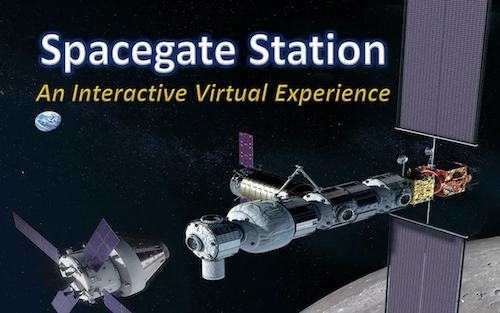
Duval County Public Schools created Spacegate Station, a STEM educational series, in 2022 to support classroom instruction. The fictional space station narrative has become an unexpected YouTube phenomenon, attracting sustained viewer engagement well beyond the district's boundaries.
The series was designed as instructional media to help teachers deliver STEM content to students. Its success in classrooms evolved into broader digital reach as the content resonated with audiences outside the original target market. YouTube viewers have engaged with Spacegate Station consistently, demonstrating that district-produced educational content can compete for attention in open digital spaces.
The achievement highlights several trends in K-12 education. Districts increasingly recognize that quality instructional media serves dual purposes: supporting in-classroom learning while building community engagement and brand visibility. Duval County's investment in creating original content has paid dividends beyond traditional metrics. Teachers gain free, aligned curriculum materials. Students access learning through a narrative framework that captures attention. The district builds credibility as an education innovator.
The Spacegate model offers lessons for other districts considering similar initiatives. Creating content that works in classrooms requires understanding pedagogical standards and learning objectives. Creating content that works on YouTube requires understanding storytelling, pacing, and viewer retention. Spacegate Station succeeds because it balances both demands.
The space station setting provides natural hooks for STEM concepts. Students encounter physics, engineering, biology, and chemistry through mission-driven scenarios. The fictional framing makes abstract concepts concrete. A YouTube audience watching voluntarily suggests the content entertains while it educates, a rare combination.
Duval County's success raises questions about how districts allocate resources for instructional media. Traditional textbook publishers control most classroom STEM content. When districts produce their own materials, they reduce costs while creating assets they fully own and can adapt. YouTube distribution costs nothing, yet reaches millions of potential viewers.
As more educators recognize that student attention spans