# South Australia's Toxic Algal Bloom Traced to Extremely Potent Microalgae
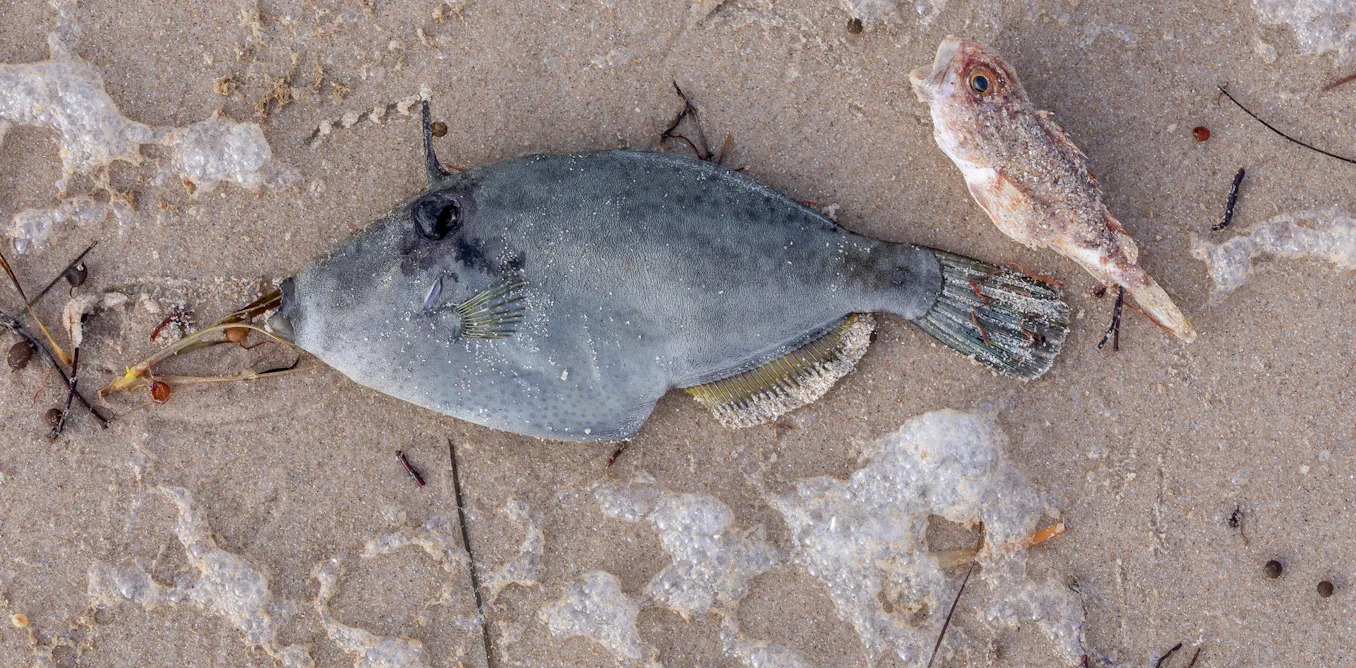
Scientists have identified Karenia cristata, a microscopic algae species, as the culprit behind a harmful algal bloom in South Australia. Research shows this particular strain ranks among the most toxic organisms ever tested in laboratory conditions.
An Australian-led team analyzed the toxicity levels of K. cristata collected from the affected waters. The findings reveal the algae produces brevetoxins, powerful marine biotoxins that damage nerve and muscle function in marine life and humans who consume contaminated seafood.
The bloom poses direct threats to commercial fisheries across South Australia. Shellfish harvesting restrictions have followed blooms in the region, as filter-feeding mollusks accumulate toxins without showing visible signs of contamination. Consumers who eat affected shellfish face serious neurological symptoms, including tingling, paralysis, and respiratory failure in severe cases.
K. cristata's extreme toxicity sets it apart from other harmful algal bloom species. The concentration of brevetoxins in this strain exceeds levels documented in many other algae varieties, complicating management and detection efforts. Researchers note that even small population explosions can rapidly reach dangerous toxin levels in surrounding waters.
Climate patterns and ocean conditions in the Southern Ocean influence bloom formation. Warmer water temperatures, nutrient availability, and coastal currents create favorable conditions for K. cristata proliferation. South Australia's cooler waters have historically limited such events, but recent blooms suggest environmental shifts may expand the risk zone.
The study adds to growing concern about harmful algal blooms globally. Scientists flag that improved monitoring systems and better understanding of K. cristata's growth triggers could help authorities respond faster to future outbreaks. Early warning systems remain critical for protecting both marine ecosystems and human health in coastal communities.
CATEGORY