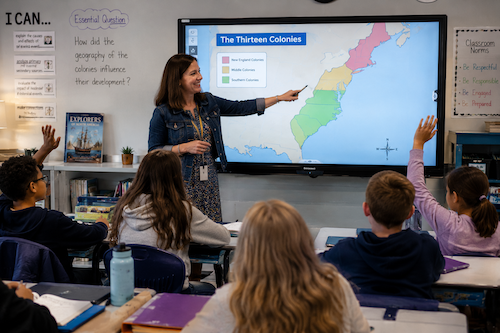
A Massachusetts fifth-grade teacher with 26 years in the classroom argues that curiosity-driven instruction transforms how students engage with learning. Rather than presenting history as a fixed body of facts to memorize, the teacher builds classroom culture around inquiry, debate, and student-generated questions.
The approach centers on creating space for students to argue, wonder aloud, and bring historical thinking into their own lives. Students move beyond passive consumption of textbooks to active investigation of primary sources, competing historical interpretations, and real questions about how the past shapes the present.
This "curiosity-first" method aligns with growing research on deeper learning outcomes. When students pursue their own questions about content, retention improves and transfer increases. Students develop the intellectual habits researchers employ: asking open-ended questions, gathering evidence, evaluating sources, and revising conclusions based on new information.
The teacher's personal history matters here. Having disliked social studies as a child, the educator deliberately designed a classroom where history feels alive rather than inert. Students don't simply answer textbook questions. They generate their own, investigate answers through evidence, and debate interpretations with peers.
Implementation requires structural shifts. Teachers must tolerate genuine uncertainty about where inquiry will lead. They must prepare more open-ended prompts than conventional lesson plans demand. Assessment moves beyond multiple-choice tests toward evaluating the quality of student questions and reasoning.
This approach also honors how human beings actually learn. Curiosity is intrinsic motivation. When students care about answers, they work harder and remember longer. The fifth-grade classroom becomes a practice ground for the habits of mind that define expert research in any field.
The implications extend beyond social studies. Math, science, and language arts classrooms can embed similar structures: student-generated questions, evidence gathering, peer debate, and revision. The goal shifts from covering content to developing thinkers who know how to investigate unfamiliar