# Permafrost Thaw Threatens Ancient Climate Records
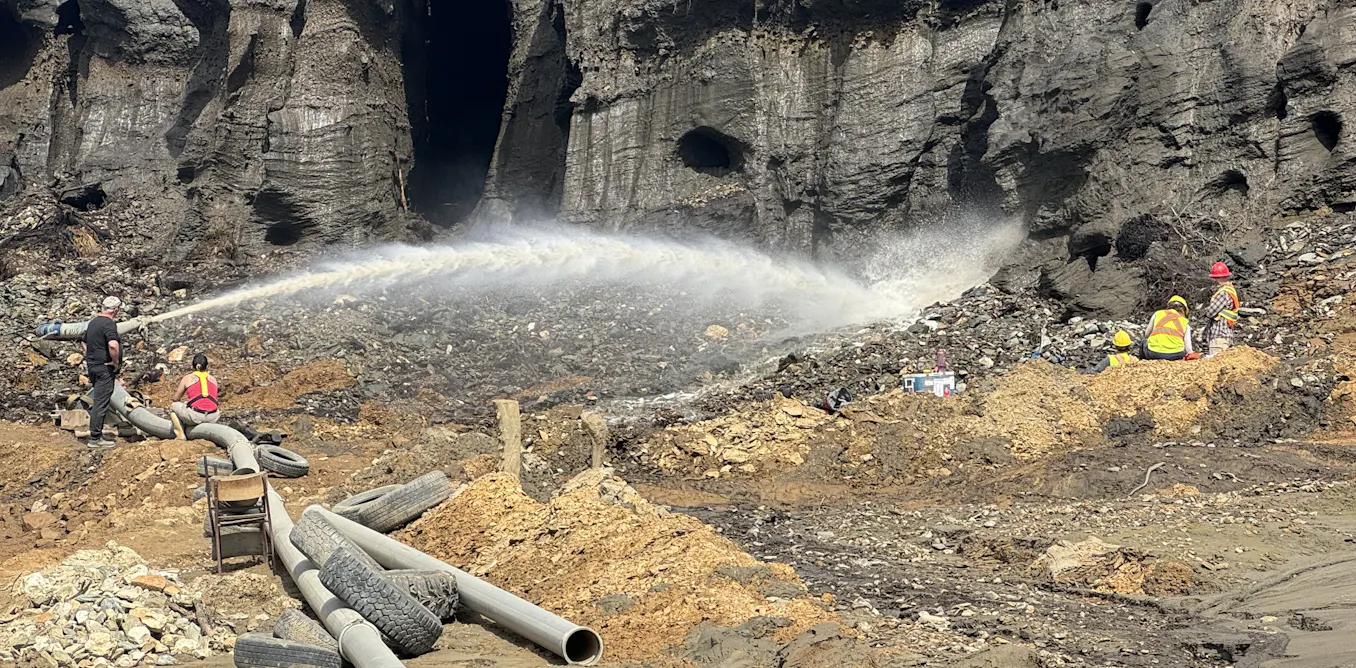
Arctic permafrost contains preserved molecular evidence of ancient life and climate spanning hundreds of thousands of years. Scientists are developing tools to extract and analyze this genetic material just as rapid warming threatens to destroy it permanently.
Permafrost acts as a natural freezer, preserving DNA, proteins, and other biological molecules from extinct species and past ecosystems with minimal degradation. Researchers can recover genetic information from mammoth bones, ancient plant remains, and microbial communities frozen for millennia. This molecular archive provides direct evidence of how organisms adapted to past climate shifts and reveals details about extinct species' evolutionary history that fossils alone cannot show.
The urgency stems from accelerating Arctic warming. Rising temperatures thaw permafrost layers faster than scientists can study them. When frozen ground thaws, microbial decomposition accelerates, destroying the very molecules researchers need to examine. The window to recover this data narrows each year.
Recent advances in DNA sequencing and protein analysis have made it possible to extract genetic information from increasingly degraded samples. Scientists can now reconstruct genomes from fragmentary DNA and study ancient proteins that reveal information about metabolism and disease resistance in extinct animals. These capabilities are expanding what we can learn from permafrost samples.
However, thawing also releases greenhouse gases trapped in frozen organic matter, accelerating climate warming further and creating a feedback loop. As permafrost degrades, it releases methane and carbon dioxide, driving more warming, which thaws more permafrost.
Educational institutions and research teams across the Arctic are prioritizing permafrost sampling before thaw destroys irreplaceable records. The race reflects a broader challenge in paleoclimate science: studying evidence of Earth's past while the physical record vanishes. Understanding ancient climate transitions requires accessing these frozen archives now, while the molecular data remains intact and interpretable.