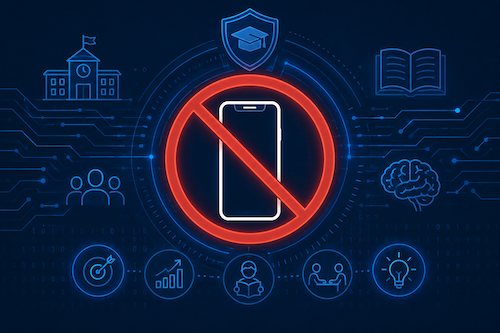
Schools across the United States are moving beyond outright cell phone bans toward more nuanced policies that allow controlled device access while protecting instructional time.
The shift reflects a growing recognition that absolute prohibitions create logistical challenges and fail to address underlying issues around phone use. Instead, districts are adopting systems that keep phones accessible for emergencies and legitimate educational purposes while limiting distraction during lessons.
Several approaches have gained traction. Some schools use lockable pouches or designated storage areas where students store phones during class but retain access between periods. Others implement time-based restrictions tied to the school schedule, allowing phones during lunch and passing periods but not during instruction. A few districts have invested in classroom management software that disables certain phone functions during specific times or locations within the building.
The research on phone bans remains mixed. Studies show that removing phones can improve test scores and classroom focus, but blanket bans raise concerns about equity, emergency communication, and parental control. Parents worry about staying connected during crises. Students with medical conditions or disabilities may need devices for accessibility accommodations.
Educators report that clear, consistent policies work better than reactive enforcement. Schools that involve students, teachers, and families in policy design see better compliance and fewer disciplinary referrals. Training teachers to enforce policies consistently matters too. When rules apply unevenly, students perceive them as unfair.
Some schools distinguish between personal devices and school-issued technology, applying stricter controls to personal phones while encouraging educational use of district devices. Others build digital citizenship curricula that teach students about phone overuse and its mental health effects.
The challenge districts face centers on finding balance. Complete bans ignore legitimate needs and fail pedagogically. Unlimited access derails learning. Schools that succeed implement flexible systems, involve stakeholders in decisions, apply rules fairly, and teach students about responsible use. These approaches respect adolescent autonomy while protecting classroom instruction.
CATEGORY