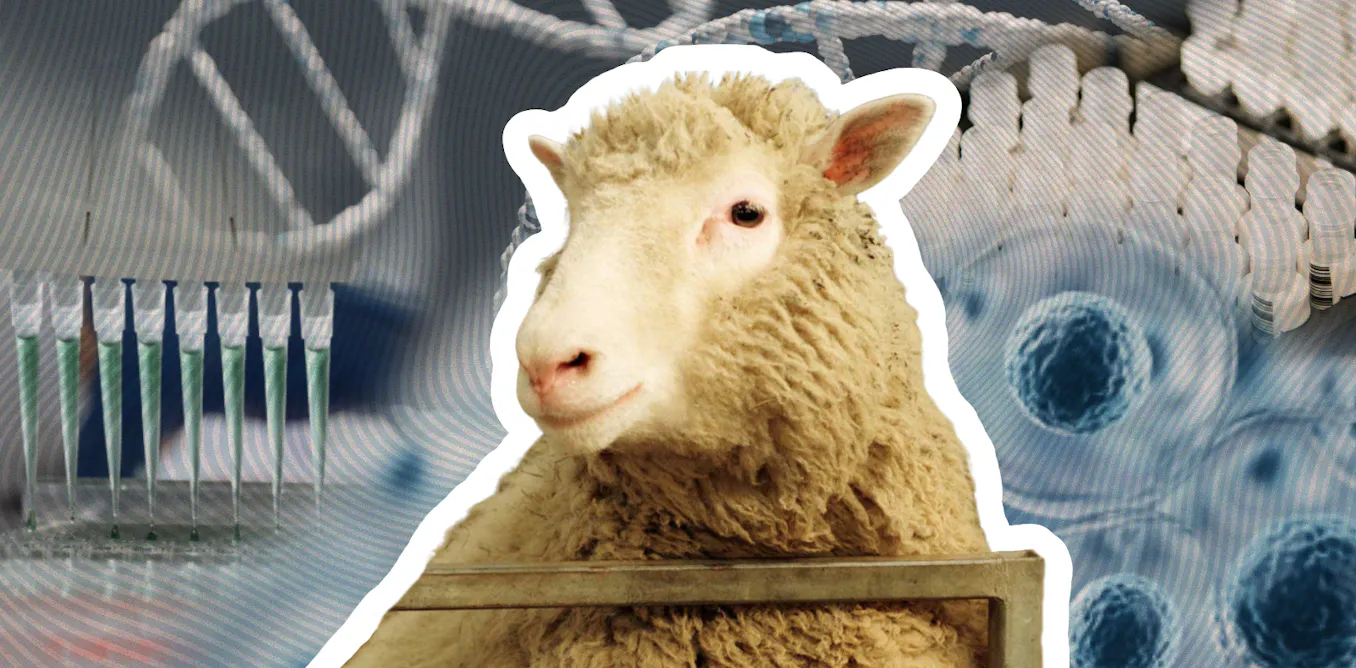
# Cloning 30 Years After Dolly: What Science Has Actually Achieved
When Dolly the sheep was born in 1997, the world reacted with fear and fascination. Three decades later, cloning remains far more limited than popular imagination suggests, but it has produced tangible scientific progress.
Cloning is not a copy-paste operation for living organisms. The technology creates genetically identical individuals through somatic cell nuclear transfer, a painstaking process where scientists remove the nucleus from one cell and insert it into an egg cell stripped of its own nucleus. Success rates remain low, with most cloning attempts resulting in failure.
The technology has enabled advances across multiple scientific domains. Researchers use cloning to preserve endangered species and study genetic diseases. Agricultural applications include cloning livestock with desirable traits, though this remains expensive and impractical for mainstream farming. Pharmaceutical companies employ cloning to produce proteins and develop medications more efficiently.
Medical research benefits substantially. Scientists clone animals to model human diseases, allowing them to study conditions like Alzheimer's and cancer in living systems before human trials. This accelerates drug development and improves our understanding of genetic disorders.
However, cloning faces persistent biological challenges. Cloned animals often experience health issues including organ failure, immune system problems, and shortened lifespans. Epigenetic factors, which control how genes are expressed, create obstacles that scientists are still learning to overcome.
Reproductive cloning of humans remains ethically prohibited across most of the world and scientifically problematic. The technology cannot yet produce viable human clones safely. Scientists focus instead on therapeutic cloning, which creates cloned tissues for medical treatment rather than complete organisms.
Since Dolly's birth, researchers have successfully cloned numerous animals including cattle, horses, dogs, and monkeys. Each milestone reveals both the technology's potential and its limitations. The field moves incrementally forward