# Finding the "Low Way": Reclaiming Creativity in Schools
Schools face pressure to prioritize test scores and measurable outcomes, but educators increasingly argue that creativity requires space for exploration without immediate accountability.
The metaphor of the "low way" captures this tension. Rather than rushing toward a single destination on the fastest route, students need time to wander, experiment, and discover their own paths. Assessment and accountability matter, but rigid focus on standardized metrics crowds out the kind of open-ended thinking that builds problem-solving skills and innovation.
Current education policy emphasizes data-driven instruction and accountability frameworks. State standardized testing, Common Core standards, and district performance metrics all push schools toward teaching to measurable competencies. While these tools provide useful feedback, they can inadvertently reduce classroom time available for creative projects, artistic expression, and student-directed inquiry.
Neuroscience research supports the value of creative exploration. Studies show that divergent thinking (generating multiple solutions to open-ended problems) strengthens cognitive flexibility and resilience. Yet many schools structure their days around sequential, convergent thinking activities designed to reach predetermined correct answers.
The tension runs deep. Teachers face pressure to show learning gains in tested subjects like reading and math. Administrators balance budget constraints with demands for accountability. Parents worry whether their children will score high enough for college admission. These pressures are real, but they can squeeze out the conditions creativity needs: time for revision, permission to fail, space for student choice.
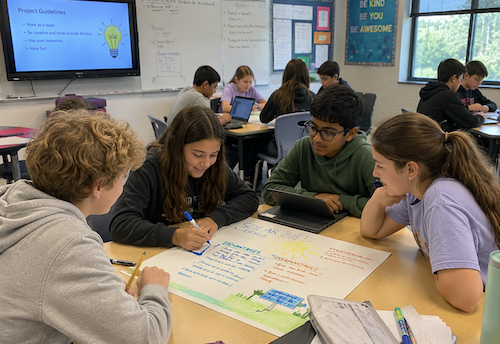
Some schools are rebalancing. Project-based learning units, maker spaces, arts integration, and student-led inquiry projects carve out protected time for creative work alongside core instruction. These approaches don't abandon rigor. Instead, they embed standards within authentic, open-ended tasks where students apply skills in service of questions they care about.
The low way metaphor suggests we need not choose between accountability and creativity. Rather, schools