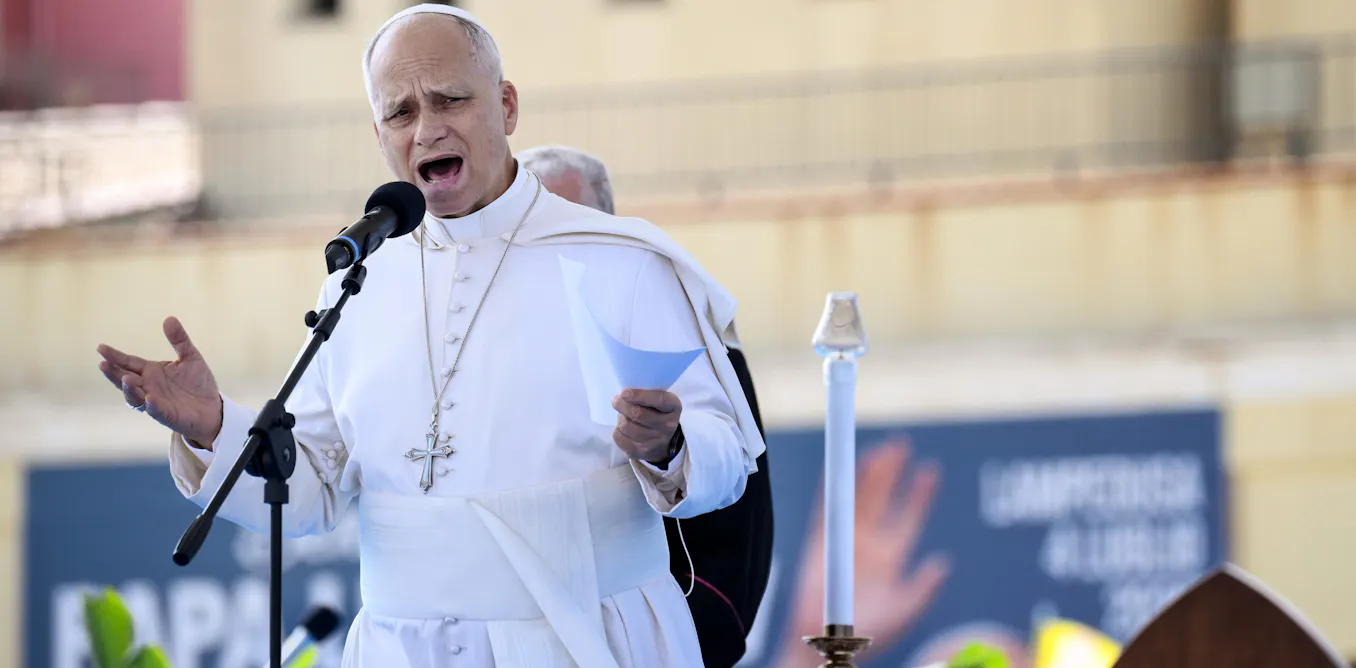
# Pope Francis Renews Focus on Migrant Crisis With Lampedusa Visit
Pope Francis traveled to Lampedusa, the Italian island that serves as Europe's gateway for migrants crossing the Mediterranean Sea, reinforcing his commitment to migrant advocacy at the center of his papacy.
The visit carries weight beyond religious symbolism. Lampedusa processes thousands of migrants annually, many fleeing conflict and poverty in Africa and the Middle East. The island's infrastructure struggles under the volume. By visiting, Francis places the humanitarian crisis directly in the public spotlight and challenges wealthy nations to address root causes rather than simply turning away boats.
This follows Pope Francis's established pattern. Since his 2013 election, he has consistently elevated migrant issues in papal teachings and visits. His predecessors rarely prioritized this agenda with such intensity. Francis has called for mercy toward migrants, criticized border policies he views as inhumane, and framed migration as a social justice issue rooted in global inequality.
The timing carries political implications. European nations face pressure from right-wing parties opposing immigration. The Vatican's moral authority provides counterweight to nationalist rhetoric. Francis's visit signals to Catholics and non-Catholics alike that migration policy choices have ethical dimensions.
For the Catholic Church itself, the visit reinforces positioning on a defining issue dividing the faithful. Conservative Catholics often prioritize border security and national sovereignty. Progressive Catholics align with Francis's emphasis on human dignity and welcome.
The Lampedusa visit also addresses the Vatican's diplomatic role. Francis advocates for international cooperation on migration, calling for shared responsibility among nations. His platform reaches audiences that political leaders cannot, particularly in Catholic-majority countries where his words carry moral force.
The island's reality grounds this discussion. Lampedusa has witnessed both tragedy (drownings during crossings) and resilience (local communities organizing support for arrivals). Francis's presence acknowledges both.
Whether the visit transl