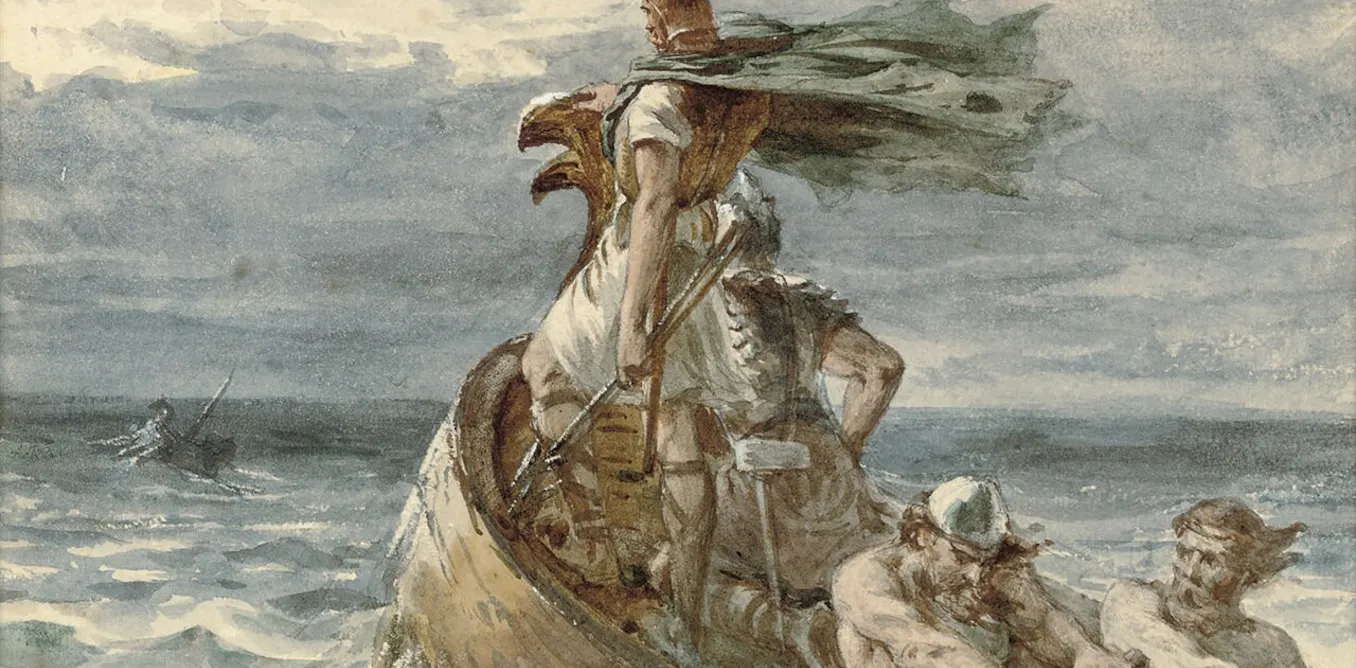
# Vikings' Complex Legacy Lost in Museums' Simplified Narratives
Scandinavia's national museums continue to peddle the "bearded marauder" stereotype of Vikings, despite decades of archaeological evidence showing a far more complex civilization. Scholars and museum directors across Denmark, Norway, and Sweden face pressure to maintain the sensationalized image that draws tourists and funding, even as historical research reveals the inaccuracy of this portrayal.
The Viking Age, roughly 793 to 1066 CE, encompassed sophisticated trade networks, skilled craftspeople, established settlements, and complex social hierarchies. Women held property rights and significant influence in Viking society. Archaeological digs have uncovered evidence of farming communities, merchants who traveled as far as the Middle East, and artisans producing intricate metalwork and textiles. Yet museum exhibits frequently emphasize raids on monasteries and coastal settlements, relegating these achievements to secondary displays.
Museum directors acknowledge the challenge. Exhibitions featuring Viking traders, domestic life, and artistic accomplishments draw fewer visitors than those highlighting warfare and conquest. The "bloodthirsty Viking" image has become embedded in popular culture through centuries of storytelling, from medieval chronicles written by the Vikings' victims to modern films and television shows.
National museums in Copenhagen, Oslo, and Stockholm have begun adding contextual materials and interactive exhibits explaining Viking society's actual composition. Some institutions now dedicate floor space to explaining how medieval monks' writings shaped perceptions of Vikings as purely destructive. However, these efforts remain limited compared to sections devoted to weapons and armor.
The tension reflects broader challenges museums face in serving dual roles as educational institutions and tourist attractions. Schools and educators increasingly request accurate Viking history resources, recognizing that students internalize museum narratives as authoritative. Several Scandinavian museums report growing pressure from teachers to move beyond stereotype-heavy presentations.
Historians argue that presenting Vikings accurately does not diminish their historical