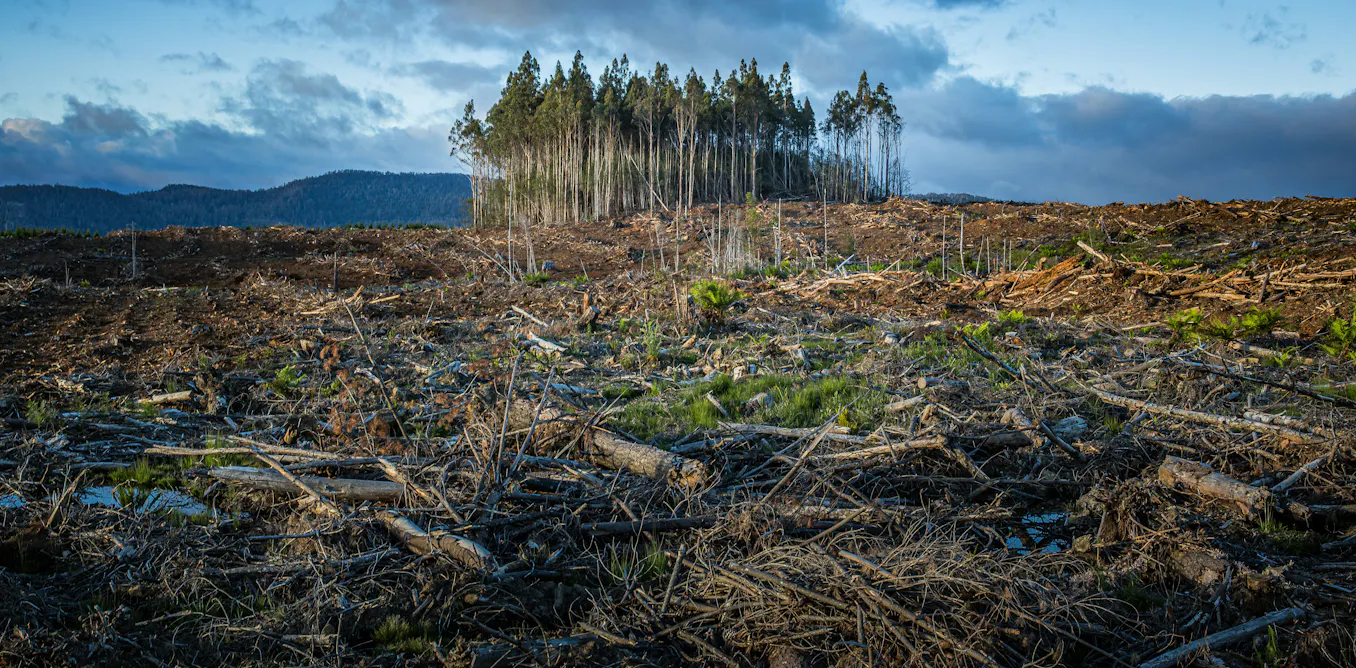
# Clear-Cut Logging Increases Flood Risk in Mountain Regions
A new study demonstrates that clear-cut logging in mountainous terrain substantially increases flood risk by accelerating snowmelt patterns. Researchers found that removing forest cover disrupts the natural water cycle that mountain forests provide.
Forested areas slow snowmelt through shade and insulation. Trees reduce direct sunlight exposure to snow, keeping it on the ground longer and allowing gradual melt into soil and groundwater. Clear-cutting eliminates this buffer. Without forest canopy, snow melts faster and more water runs off into streams and rivers at once, overwhelming drainage systems.
The study focused on mountainous environments where snowpack represents the primary water source. During spring and early summer, rapid snowmelt from logged areas generates surge flows that exceed channel capacity. Downstream communities face heightened flood danger, particularly in valleys and populated areas.
Researchers tracked snowmelt patterns across logged and forested watersheds. Measurements showed logged areas experienced 20 to 40 percent faster snowmelt compared to intact forest zones, depending on slope and elevation. This acceleration concentrated water runoff into shorter timeframes, creating the conditions for flash flooding.
The research carries implications for forest management policy and disaster planning. Regions that rely on timber harvesting must weigh economic benefits against hydrological risks. Water management agencies increasingly recognize that forest cover functions as natural flood control infrastructure.
Watershed protection emerges as a critical consideration in logging permits and forest management plans. Some jurisdictions now require buffer zones around streams or limit clear-cutting in steep terrain during wet seasons. Engineers studying watershed resilience point to reforestation as a long-term strategy for reducing flood vulnerability in previously logged areas.
This work builds on existing research about forest hydrology and climate change. As warming accelerates snowmelt across the Western Hemisphere, the interaction between logging practices and flood risk becomes