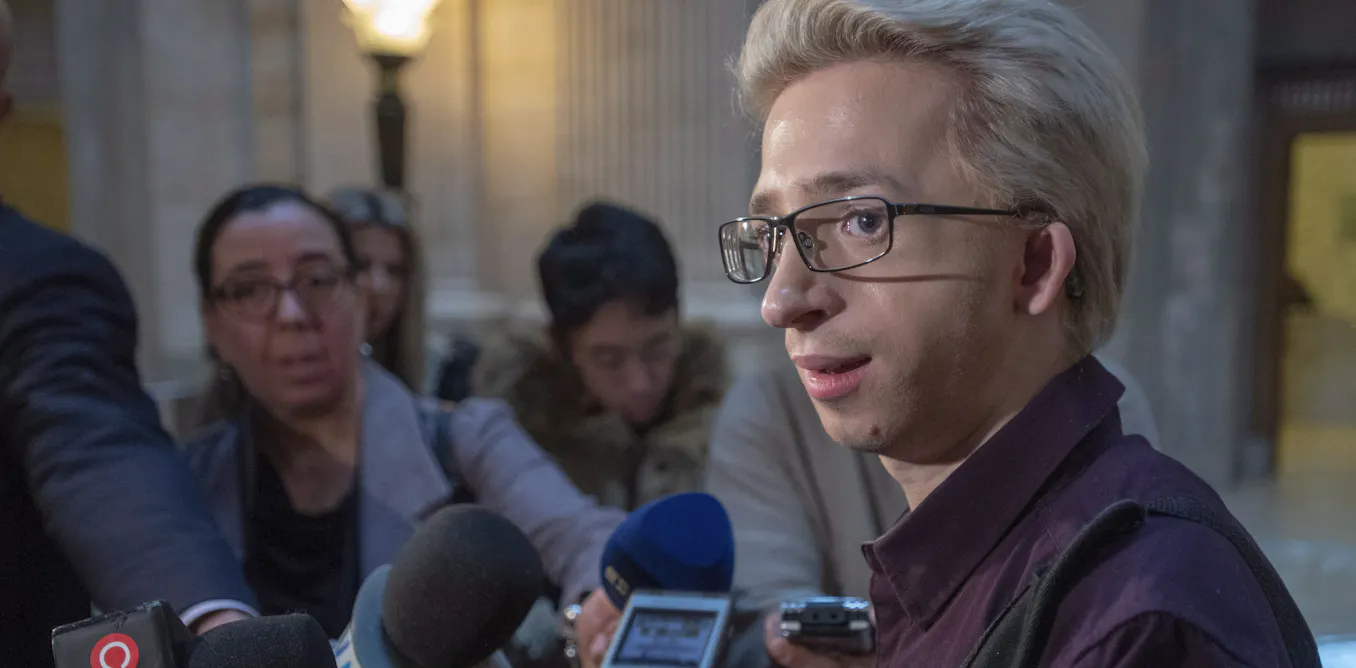
# How a Comedian's Jokes About a Quebec Teen Sparked a Free Speech Debate
A comedian's remarks targeting a Quebec teenager have reignited debate over the boundaries between comedy and discrimination in Canada. The incident raises difficult questions about how schools, platforms, and society define acceptable speech.
The case centers on jokes made about a specific student. While comedy often pushes social boundaries, the targeting of a minor by name created immediate tension between free expression rights and protection from harassment. Schools face pressure to address harmful speech while respecting creative freedom.
Canada's legal framework complicates matters. The country protects freedom of expression under the Canadian Charter of Rights and Freedoms, but also prohibits hate speech that targets protected groups. Discrimination law in Quebec adds another layer, protecting individuals from harassment based on identity characteristics. Yet comedy occupies uncertain legal terrain. Courts have historically afforded comedians considerable leeway, recognizing that humor often relies on exaggeration and provocation.
The incident highlights a gap educators struggle with daily. Schools must balance creating safe environments for students with teaching media literacy and resilience. Parents question whether ignoring harmful speech sends the message that targeting minors is acceptable. Others worry that over-policing comedy stifles legitimate artistic expression.
Social media amplified the incident beyond traditional comedy venues. Online platforms removed or restricted the content, citing harassment policies. This raises questions about who determines what counts as crossing the line from comedy into harm.
Educational institutions have no universal standard for evaluating such cases. Some schools treat public jokes about students as bullying requiring intervention. Others defer to free speech principles. Teachers report uncertainty about how to discuss the incident with students without endorsing the comedian's remarks or silencing important conversations about speech norms.
The debate reflects broader tensions in Canadian society. As communities become more diverse and students increasingly expect institutional accountability, definitions of acceptable speech continue shifting. The challenge lies in protecting both individual dignity