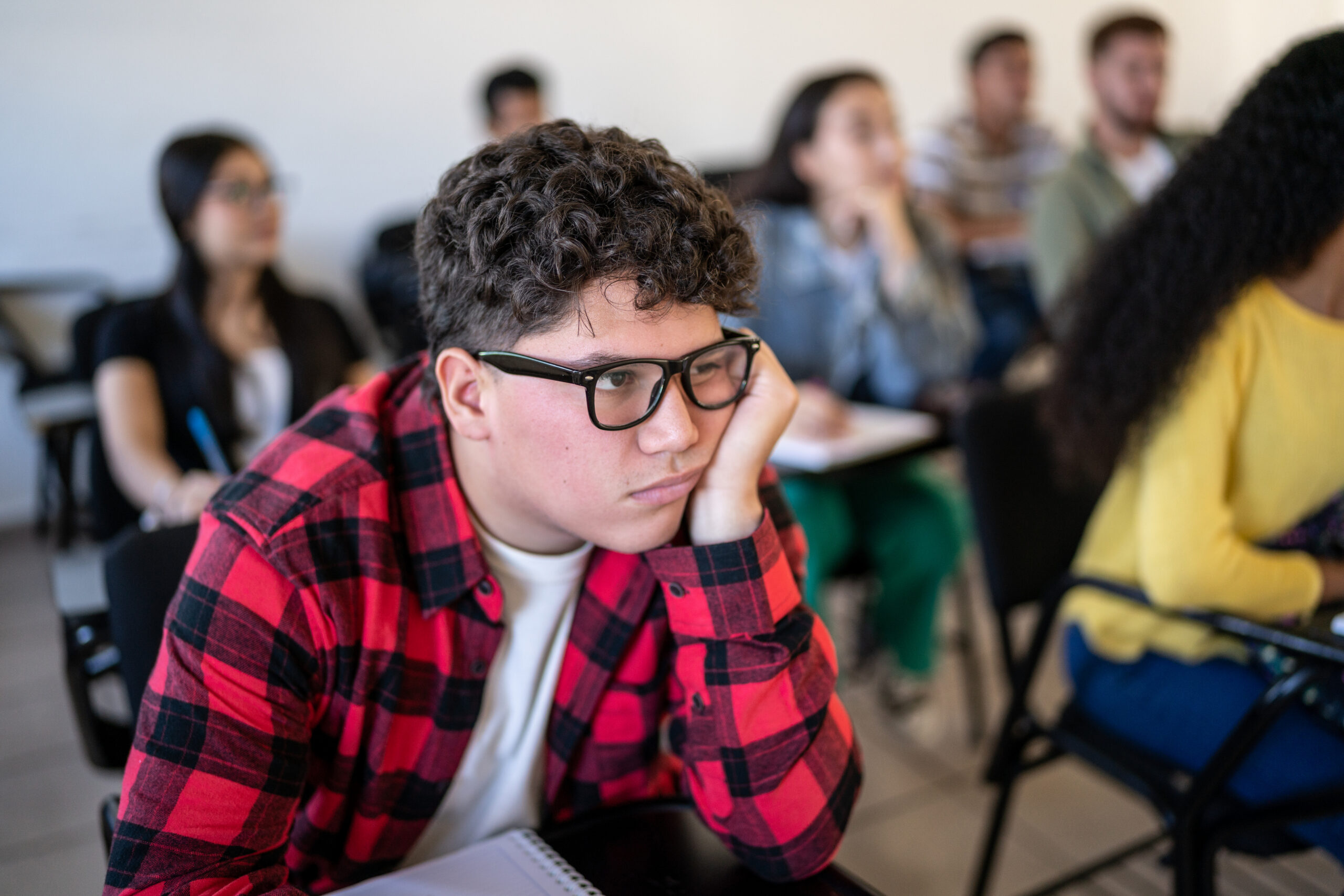
Teachers often label certain students as "difficult," but this framing misses the real issue. Most students who cause classroom disruption do not intend to disrupt. Instead, conflicts arise when students bring communication habits or expectations that clash with the learning environment.
Reframing how educators view these interactions transforms the dynamic. Rather than viewing a student as inherently problematic, teachers can recognize that behavioral challenges often stem from unmet needs, unclear expectations, or gaps between what students bring to class and what the classroom demands.
This shift in perspective opens practical pathways. When a teacher sees a disruptive student as someone operating under different assumptions about classroom norms, the response changes. Instead of punishment or frustration, the educator can address root causes. This might mean clarifying expectations explicitly, adjusting communication style, or exploring what underlying needs the student's behavior reflects.
Effective classroom management hinges on this reframe. Teachers who treat difficult behavior as a problem to solve together with the student, rather than a deficiency in the student, report better outcomes. The student feels heard rather than attacked. The teacher focuses energy on solutions rather than blame.
The advice applies across settings. Online educators face distinct challenges when managing difficult interactions through screens, where tone and body language are invisible. Physical classrooms offer immediate presence but require similar intentionality about communication norms.
Implementing this approach requires concrete strategies. Teachers benefit from establishing clear behavioral expectations upfront, building relationships that allow for honest conversation, and responding to disruptions with curiosity rather than defensiveness. When a student acts out, asking "What need is this behavior expressing?" yields better information than assuming malice.
This reframing ultimately benefits everyone. Students feel respected and motivated to engage rather than defensive. Teachers experience less burnout when they stop internalizing disruption as personal failure. Classrooms become spaces where challenges become opportunities to strengthen communication and community, rather than battlegrounds