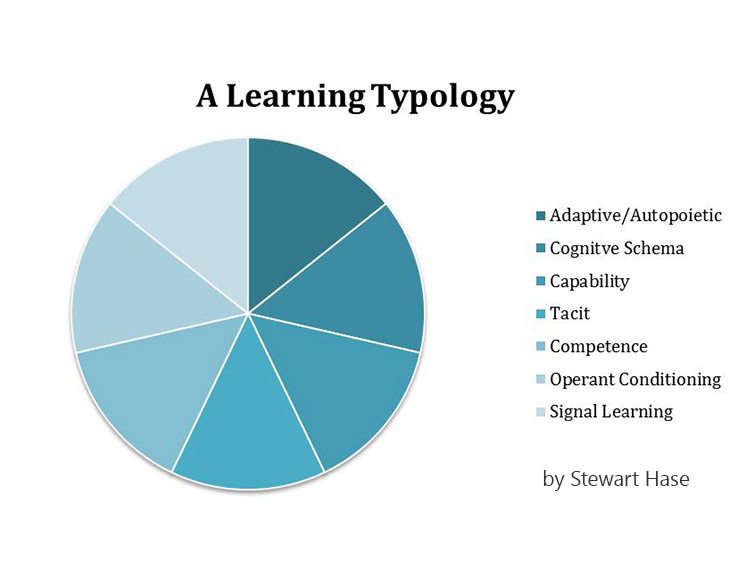
# A Learning Typology: 7 Ways We Come To Understand
TeachThought has published a framework that distinguishes between how people actually learn rather than how they can be categorized. The organization presents a learning typology, which differs fundamentally from a taxonomy. A typology describes patterns of how learning happens. A taxonomy sorts things into fixed categories.
The framework identifies seven distinct pathways to understanding. Rather than boxing learners into static labels, the typology recognizes that individuals move between these modes depending on context, subject matter, and personal background.
The distinction matters for classroom practice. Traditional learning style theories (visual, auditory, kinesthetic) sort students into permanent boxes. Research has consistently found these models lack scientific support and can actually limit student potential. A typology approach avoids this trap. It treats learning as dynamic and multi-modal.
Understanding these seven pathways helps educators design instruction that genuinely serves diverse learners. Students don't possess fixed learning styles. They employ different understanding strategies depending on what they're learning. A student might learn mathematics through logical reasoning, history through narrative and storytelling, and physics through hands-on experimentation. All three modes can operate within the same person.
TeachThought's framework reflects current cognitive science about how understanding develops. Learning involves multiple neural networks activating in different combinations. No single "type" explains human learning.
The typology approach has practical implications for curriculum design and assessment. Instead of diagnosing students as visual or auditory learners, teachers can recognize the range of pathways their students naturally employ. Instruction becomes more flexible. Assessment captures learning that occurs through various modes rather than privileging one dominant pathway.
This framework also challenges outdated professional development that pushes one-size-fits-all learning style solutions. Schools investing in typology-based training help teachers build classrooms where multiple pathways to understanding receive equal attention and support.