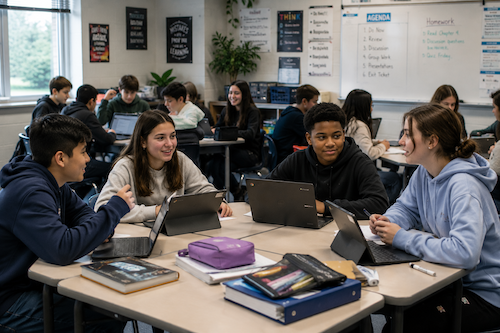
Schools must move beyond traditional metrics like letter grades and test scores to understand students as complete individuals with distinct goals, skills, and needs. This shift requires two foundational changes: making education data accessible and expanding student agency in learning.
Student agency refers to the capacity of students to make meaningful choices about their education. Research shows that increased student agency strengthens growth mindset and helps transfer classroom knowledge into real-world skills. When students have voice in their learning paths, they engage more deeply and develop ownership over their progress.
The data accessibility challenge runs deep. Most schools collect extensive information about student performance, but this data remains siloed in administrative systems inaccessible to students and families. Parents struggle to understand what data schools track about their children. Students rarely see the full picture of their own learning beyond grades. This opacity prevents informed decision-making and obscures patterns that could guide intervention or enrichment.
Schools should publish accessible dashboards showing student progress across multiple dimensions: academic mastery, skill development, attendance, social-emotional competencies, and personalized goals. Students deserve regular access to their own data. Families need transparent reporting that explains what schools measure and why.
Student agency expands when schools create structures for choice. This might include allowing students to select from multiple projects to demonstrate mastery, participate in goal-setting conferences, choose electives that align with interests, or contribute to classroom decisions about pacing and assessment methods.
Districts implementing these approaches report higher engagement rates and stronger long-term outcomes. Students who understand their own data and participate in learning decisions develop metacognitive skills that support success beyond secondary school.
The path forward demands both technical investment and cultural shift. Schools must commit resources to build accessible data systems and genuinely value student input in educational decisions. This approach treats students not as passive recipients of instruction but as agents capable of directing their own growth.