# Historical records reveal how Canada's weather has changed over the centuries
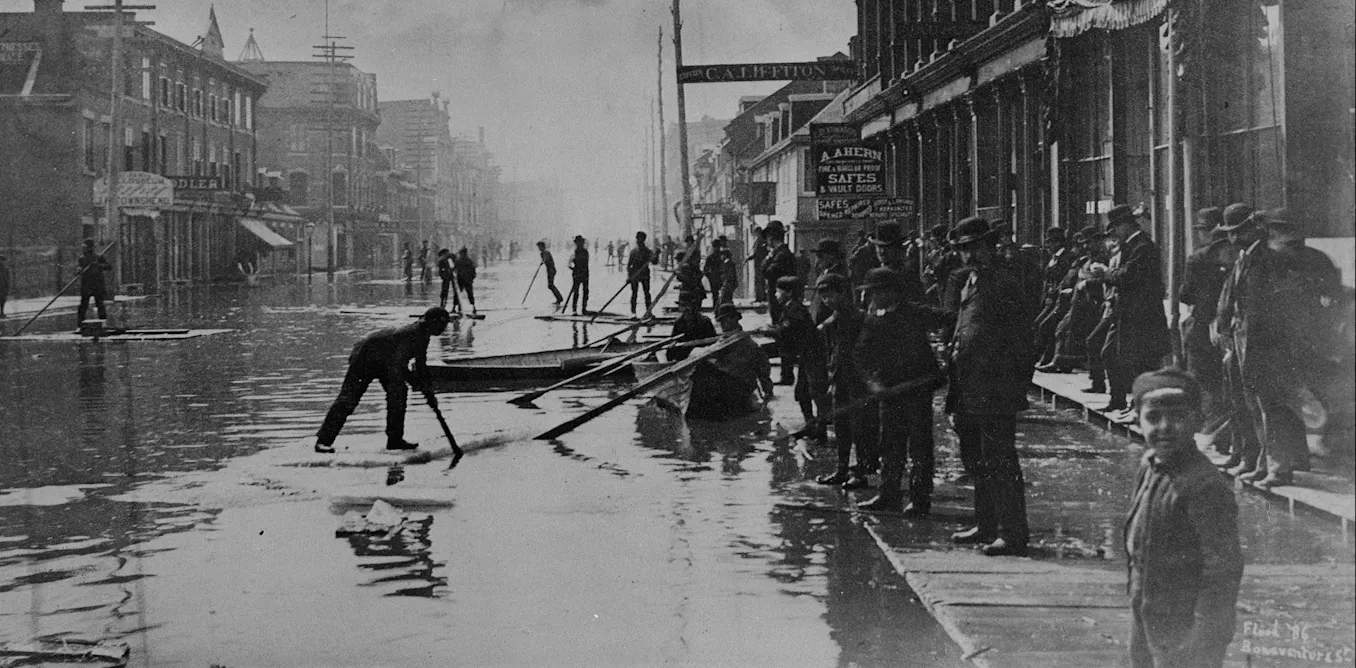
Canada's weather patterns have shifted measurably across centuries, according to analysis of historical records that stretch back hundreds of years. Researchers tracking everything from sudden downpours causing flash floods to gradual climate shifts have documented these changes through archival data.
The study examines both acute weather events and long-term trends. Sudden downpours that triggered flash floods appear in historical records alongside documentation of slower temperature and precipitation shifts occurring over centuries. This dual focus allows scientists to distinguish between isolated extreme weather and genuine climate pattern changes.
Historical records provide what modern weather stations cannot: a baseline spanning multiple centuries. This extended timeline reveals whether current conditions represent natural variation or genuine departure from historical norms. Canadian records offer particular value because the nation's geography and weather systems create distinct regional patterns that historians and climate scientists can track.
The research has implications for understanding future climate behavior. By identifying how weather patterns have evolved over centuries, scientists can better predict how Canada's climate may continue changing. The data informs infrastructure planning, agricultural projections, and emergency management strategies for provinces and municipalities across the country.
Historical weather documentation comes from diverse sources: ship logs, newspaper reports, government weather observations, and agricultural records. Researchers synthesize these fragmented sources into coherent climate narratives. The challenge lies in standardizing measurements taken across different eras using different methods, yet the effort has proven worthwhile for establishing long-term patterns.
This work underscores why preserving historical records matters for climate science. Data gaps or lost documentation limit scientists' ability to construct complete climate histories. As Canada faces intensifying weather extremes, understanding how past weather patterns unfolded informs current adaptation planning and policy decisions.