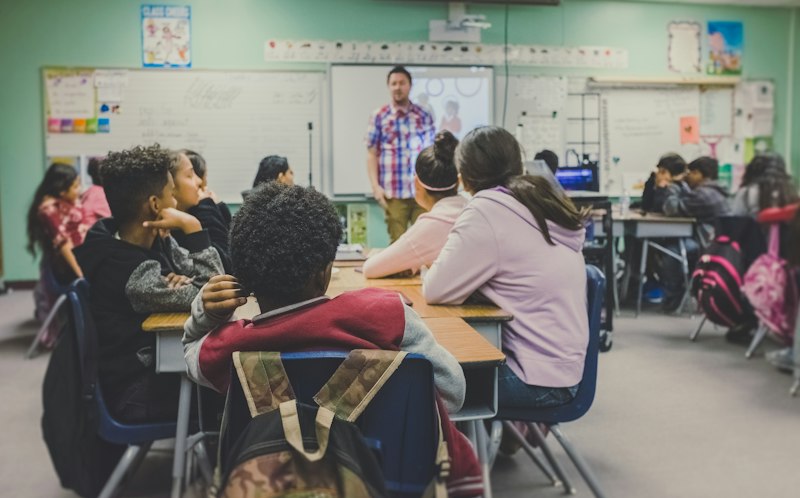
Teachers increasingly find that students attribute human qualities to artificial intelligence systems without recognizing the limitation. This gap in understanding creates a classroom opportunity to teach critical thinking about technology.
Anthropomorphism, the practice of assigning human characteristics to non-human objects, appears everywhere students encounter AI. Chatbots that say "I think" or "I feel," voice assistants that use friendly tones, and recommendation algorithms that seem to "know" a student's preferences all mask the mechanical processes underneath. Students who anthropomorphize AI may overestimate what these tools understand, trust them inappropriately, or develop unrealistic expectations about their capabilities.
Effective instruction starts by anchoring lessons in observable examples from students' daily lives. Teachers can ask students to identify when they attribute feelings or intentions to everyday objects: a video game character's apparent emotion, a phone that seems "angry" when it freezes, or a social media feed that appears to "want" their attention. Once students recognize this pattern in familiar contexts, they can transfer that awareness to AI systems.
Classroom activities might include comparing how AI language models respond to the same prompt in different ways, examining the code or logic behind a recommendation system, or analyzing marketing language used to describe AI products. Students benefit from seeing how engineers deliberately design interfaces to feel friendly or responsive, separating the technology's actual function from its emotional presentation.
Understanding anthropomorphism directly supports digital literacy. Students who recognize when they are responding emotionally to AI design make better choices about what information to trust, how much time to spend with these tools, and whether an AI recommendation serves their interests or a company's profit motive. This skill extends beyond technology. It teaches students to question the persuasive techniques embedded in any product or service they encounter.
The lesson works best when students move from observation to creation. Having them design their own chatbot or AI interface requires them to decide which human qualities feel appropriate to include