# How Nanobubbles Are Cleaning Water Bodies Around the World
Scientists successfully deployed nanobubbles to restore the Lincoln Memorial Reflecting Pool in Washington, D.C., marking a breakthrough moment for an emerging water treatment technology. The tiny oxygen-filled bubbles, far smaller than visible to the naked eye, cleaned contaminated water without harsh chemicals. Now educators and environmental scientists are exploring whether the same approach could revive dying lakes and seas globally.
Nanobubbles work by dramatically increasing oxygen saturation in water. Traditional aeration methods rely on larger bubbles that quickly rise to the surface and escape. Nanobubbles stay suspended far longer, delivering oxygen deeper into water columns where it breaks down organic pollutants and reduces algae blooms. The Lincoln pool project demonstrated the technology could work at scale in urban environments, removing accumulated sediment and restoring water clarity in weeks rather than months.
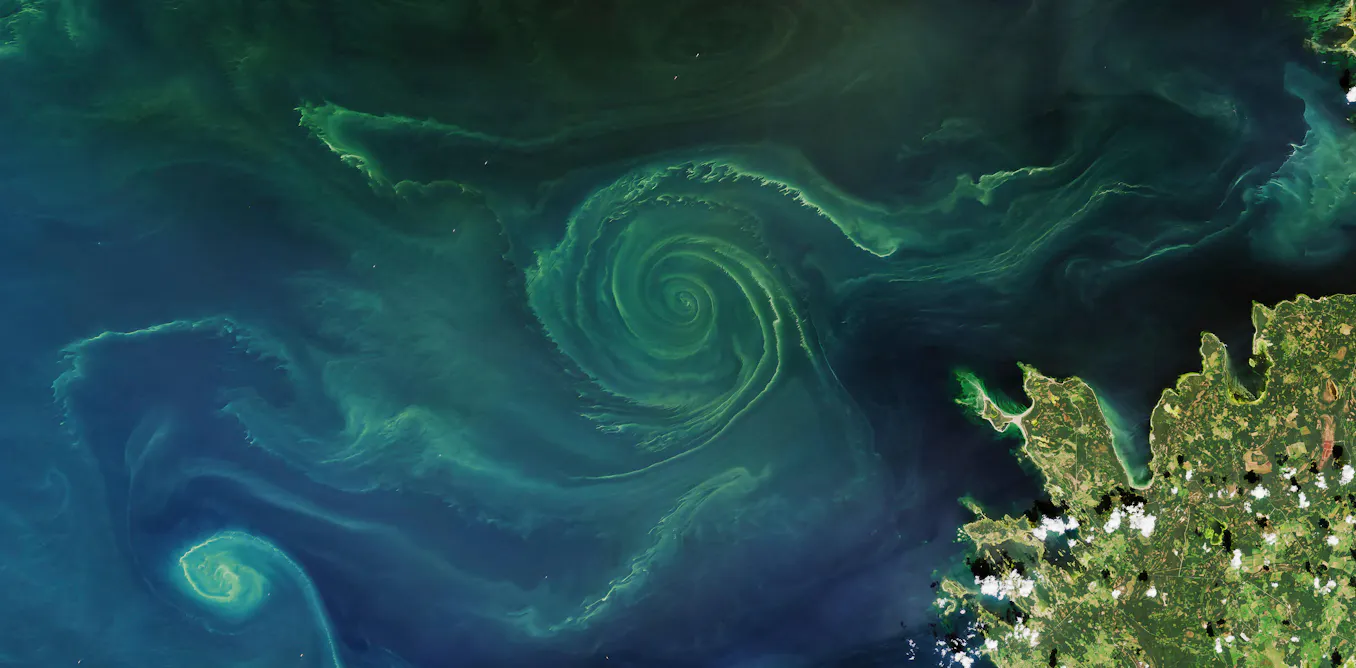
The technique addresses a growing problem. Eutrophication, caused by excess nutrients like nitrogen and phosphorus from agricultural runoff and wastewater, creates dead zones in freshwater lakes and coastal areas. Oxygen depletion in these zones kills fish and aquatic plants. The Chesapeake Bay, Lake Erie, and the Baltic Sea all struggle with this issue annually.
Several water authorities have begun pilot programs. Researchers at universities in Asia and Europe are testing nanobubble applications in polluted rivers and agricultural ponds. Initial results show reduced algae blooms and improved water quality metrics. However, scaling the technology remains expensive. Equipment costs and energy requirements currently limit deployment to smaller bodies of water or targeted problem areas.
Engineers are working to reduce expenses and streamline deployment. Some researchers are testing whether nanobubbles paired with other biological treatments, like beneficial bacteria that consume excess nutrients, could enhance results further.
The Lincoln project proved nanobubble technology works in real-world conditions. Success in