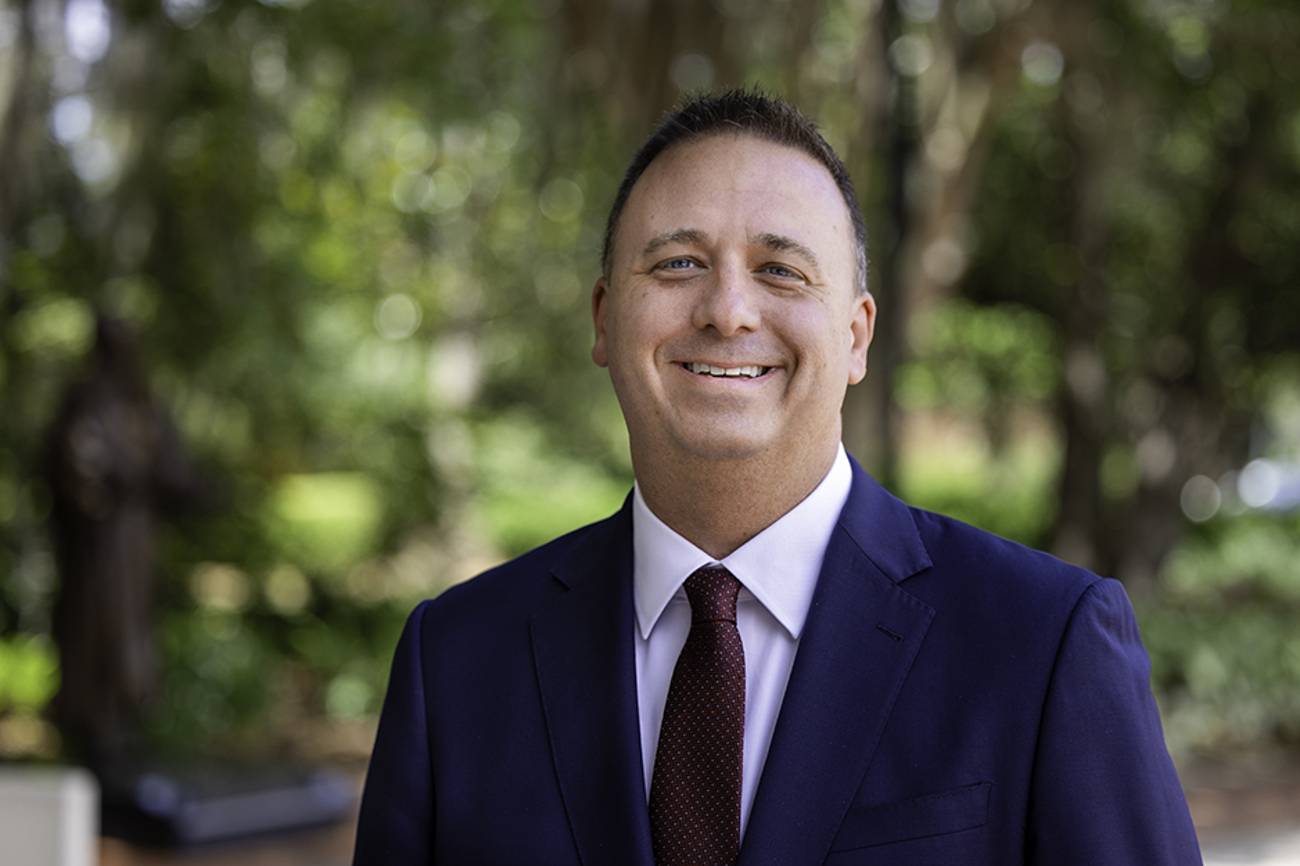
Florida State University has appointed Jonathan Fozard as chief information officer, filling a leadership role that oversees the institution's technology infrastructure and digital operations. Fozard brings more than 20 years of experience in higher education technology management.
The CIO position sits at the intersection of academic operations, student services, and institutional efficiency. Universities rely on their chief information officers to manage everything from learning management systems and student information databases to cybersecurity, network infrastructure, and emergency response systems. At an institution like Florida State, which serves over 40,000 students across multiple campuses, the CIO role carries substantial weight in how effectively the university can deliver education and support services.
Fozard's appointment comes as universities nationwide grapple with aging technology systems, cybersecurity threats, and the need to modernize digital tools for hybrid and remote learning. Higher education institutions have faced increasing ransomware attacks and data breaches in recent years, making cybersecurity expertise a critical component of the CIO role. Additionally, universities are investing heavily in artificial intelligence tools, updated learning platforms, and data analytics to improve student outcomes and administrative efficiency.
The timing of Fozard's hire reflects broader trends in higher education technology leadership. Many universities have upgraded CIO positions in recent years to elevate technology strategy at the senior leadership level. This shift acknowledges that institutional technology decisions directly impact student retention, faculty productivity, and operational resilience.
FSU's choice to bring in someone with extensive higher education experience suggests the university prioritizes continuity and understanding of academic technology needs, not just IT operations. Higher education technology environments differ significantly from corporate settings. Campus leaders must balance student access, faculty research computing needs, financial constraints, and regulatory compliance in ways that corporate technologists may not encounter.
For FSU students and faculty, Fozard's leadership will shape everything from Wi-Fi reliability and system downtime schedules to how quickly