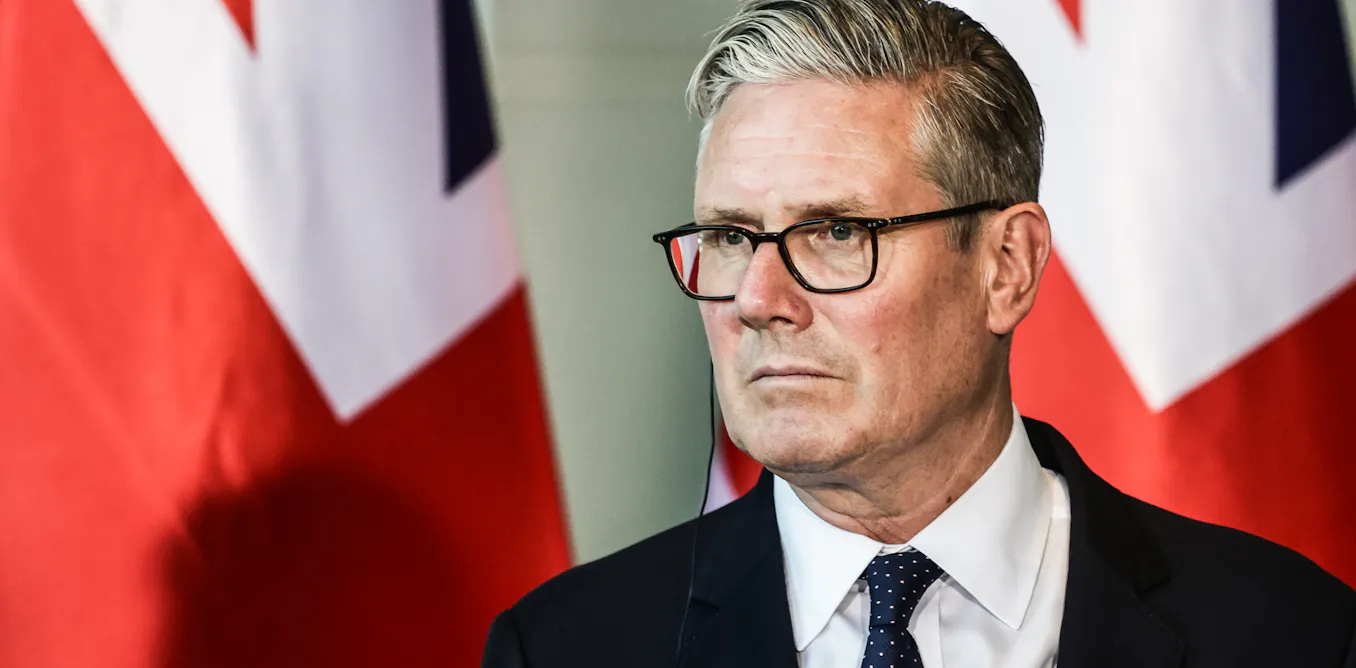
# The Politics of Feeling: Why Keir Starmer Provokes Visceral Reactions
Keir Starmer's tenure as UK Prime Minister has triggered emotional responses that defy his carefully cultivated image as a technocratic, pragmatic leader. The intensity of public reaction to someone widely characterized as "boring" reveals how contemporary politics operates in an emotional register disconnected from traditional ideology.
Since 2008, political engagement has shifted fundamentally. The financial crisis and its aftermath eroded faith in technocratic solutions and expert-driven governance. Voters increasingly respond to leaders based on emotional resonance rather than policy detail. Starmer's deliberate positioning as rational, cautious, and procedurally focused stands in direct opposition to what voters increasingly demand: figures who articulate passion, conviction, and personal narrative.
Starmer's background as a human rights lawyer and director of public prosecutions positions him as institutional and rule-bound. Yet this very competence generates frustration among voters exhausted by incremental change. His opponents exploit this perception, casting him as uninspiring or disconnected from lived experience. Meanwhile, his supporters struggle to generate enthusiasm around competence alone, a historically insufficient emotional foundation for political durability.
The post-2008 landscape created space for leaders like Boris Johnson and Liz Truss, who projected personality and disruption regardless of actual governance capacity. Starmer represents the countercorrective: the return of the administrator. But voters operating in an emotion-first political culture interpret administrative competence as affectlessness rather than reassurance.
This dynamic matters because it reveals that modern politics demands both effective governance and emotional authenticity. Technical expertise without narrative power creates a vacuum opponents fill. Starmer's challenge involves communicating conviction without sacrificing the precision that defines his political identity.
The visceral reactions Starmer provokes ultimately reflect broader voter confusion about