# Summary
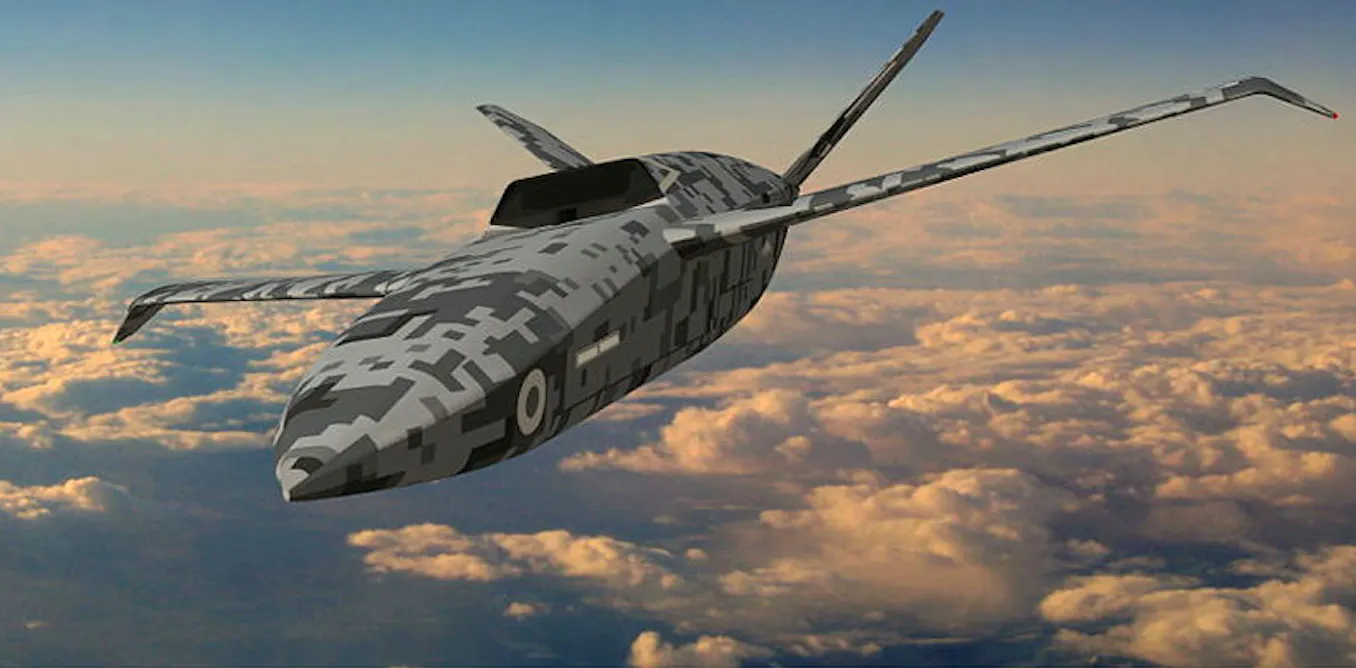
The UK government has allocated £5 billion within its Defence Investment Plan specifically for drone technology and autonomous systems. This substantial funding represents a major shift in military procurement priorities and reflects broader global trends toward unmanned warfare capabilities.
The investment targets development and deployment of advanced drone systems, including both surveillance and combat-capable unmanned aerial vehicles. The allocation signals Britain's commitment to maintaining technological parity with NATO allies and near-peer competitors like Russia and China, which have rapidly expanded their own unmanned systems.
Defence officials justify the spending as essential for modernizing Britain's armed forces without proportionally expanding personnel. Drone technology allows military operations across extended ranges with reduced risk to service members. The funding also supports related infrastructure, training programs, and research into autonomous decision-making systems.
The plan raises questions about oversight and governance. Autonomous weapons systems that can select and engage targets without human intervention remain ethically contested among defense analysts, international relations experts, and human rights organizations. The UK has committed to maintaining "meaningful human control" over weapons systems, though critics argue existing frameworks lack teeth.
The £5 billion commitment occurs within a broader £178 billion Defence Investment Plan spanning a decade. This drone allocation competes with funding for conventional military capabilities, including ships, aircraft, and ground forces. Budget constraints have forced trade-offs in traditional defense areas.
Industry analysts note the investment will benefit British defense contractors and drone manufacturers, potentially strengthening the UK's position in global defense technology markets. Companies specializing in autonomous systems stand to receive substantial contracts.
The drone investment also reflects lessons from recent conflicts in Ukraine, where unmanned systems proved tactically valuable. Military planners across NATO have reassessed their reliance on traditional platforms in light of how effectively drones performed against conventional air defenses.
The spending plan requires Parliamentary approval and will likely face scrutiny from defense committees concerned with both capability gaps and ethical implications of autonomous warfare systems.