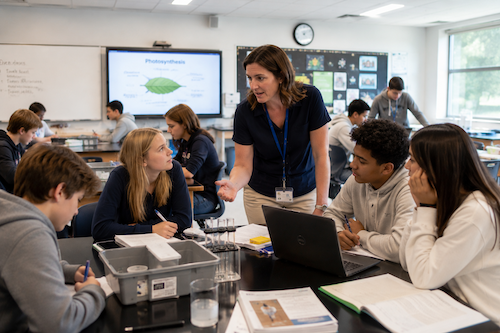
District leaders face mounting pressure to boost science achievement scores, but research shows this goal requires a multiyear commitment rather than quick fixes.
Educational systems often push administrators to focus on immediate test performance gains. This approach conflicts with how science learning actually works. Students build scientific understanding over extended periods through cumulative experiences, hands-on practice, and repeated exposure to concepts.
The pressure comes from accountability measures tied to standardized test results. States and federal programs evaluate schools based on annual performance data. Teachers and principals respond by concentrating resources on high-stakes testing periods. This creates a mismatch between assessment timelines and genuine learning progression.
Real science achievement depends on several factors that develop slowly. Students need consistent access to lab equipment and materials. They require teachers with strong subject-matter knowledge and training in inquiry-based instruction. Science programs benefit from integration across grade levels, ensuring concepts spiral and deepen over time.
Districts that show sustained improvement typically invest in long-term strategies. These include multi-year professional development for science teachers, curriculum alignment across elementary through high school, and dedicated funding for materials and technology. Building strong science programs takes three to five years minimum to show meaningful gains on assessments.
The challenge intensifies when districts juggle limited budgets and competing priorities like reading intervention and mathematics remediation. Staffing shortages in science education further complicate efforts. Many districts struggle to hire qualified science teachers, particularly in physics and chemistry.
Leaders who recognize science achievement as a multiyear endeavor make different decisions. They invest in teacher training upfront, even without immediate test score jumps. They adopt coherent curricula designed for progression rather than isolated units. They protect science instruction time from being diverted to test preparation.
This perspective shift matters for students. Young learners benefit from science experiences built cumulatively across years rather than crammed before assessments. They develop deeper conceptual understanding and stronger problem-solving skills. They