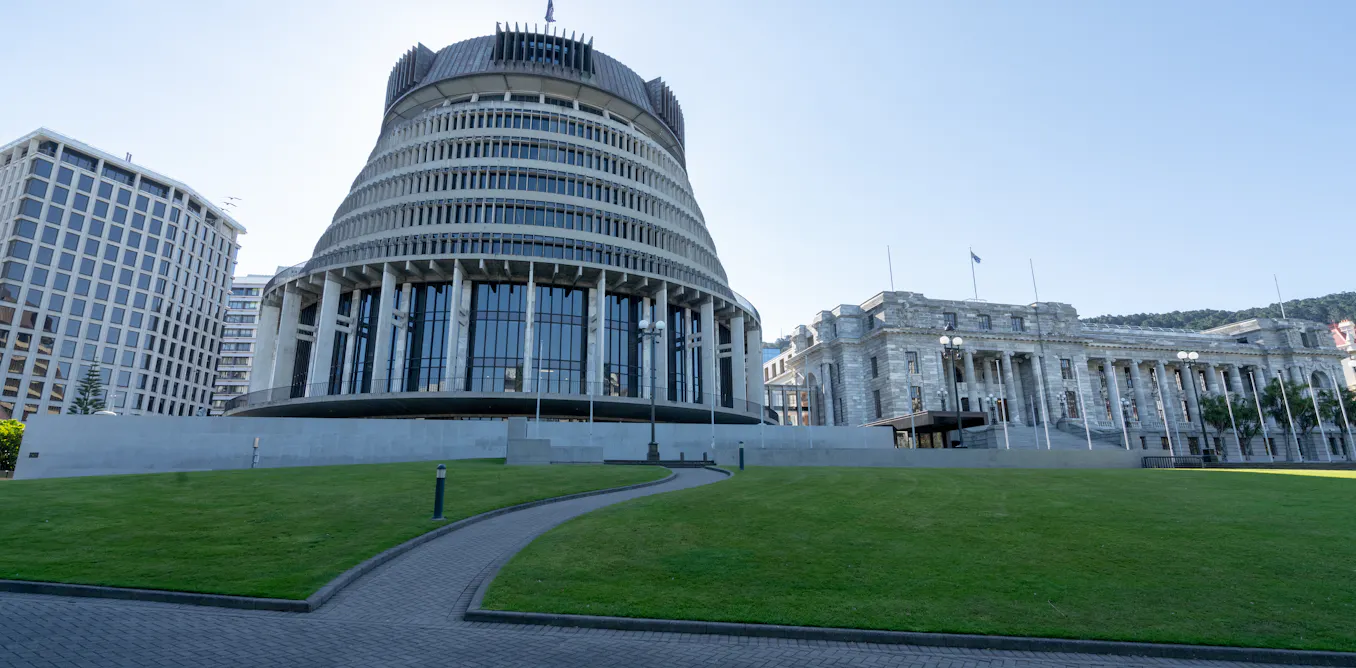
New Zealand faces a conflict between its domestic legal environment and international climate obligations after proposing legislation that would terminate a landmark climate lawsuit brought by activist Erin O'Donnell.
O'Donnell's case challenged the government's climate commitments under the Climate Change Response Act. The suit argued that New Zealand's emissions reduction targets fail to meet the urgency demanded by the climate crisis. The proposed law change would retroactively end this litigation, effectively blocking the activist's legal avenue for holding the government accountable to its own climate framework.
The timing raises sharp questions about consistency. New Zealand has signed the Paris Agreement and committed to net-zero emissions by 2050. The country also ratified the United Nations Convention on the Rights of the Child, which establishes environmental protection as a right affecting young people's futures. These international commitments typically require domestic mechanisms that allow citizens to challenge government inaction on climate matters.
Legal scholars note that access to courts for environmental claims sits at the foundation of how democracies enforce climate pledges. When a government restricts that access through retroactive legislation, it weakens the domestic legal infrastructure needed to translate international promises into enforceable outcomes. Other nations, including France and Germany, have seen courts rule that governments must strengthen climate action because citizens retained the right to litigate climate policy failures.
New Zealand's proposed change suggests a government preferring to avoid legal pressure rather than accelerate emissions cuts. The legislation would essentially insulate policymakers from judicial review of climate decisions. This differs markedly from jurisdictions where courts serve as a check on inadequate climate action.
The disconnect matters for young people in New Zealand who will experience the full impact of today's climate decisions. Without access to courts, they lose a tool their international law framework theoretically grants them. The proposed law change tests whether New Zealand's domestic rules can sustain its public image as a climate leader while simultaneously closing the courtroom