# Blind Boxes Blur the Line Between Toys and Gambling for Kids
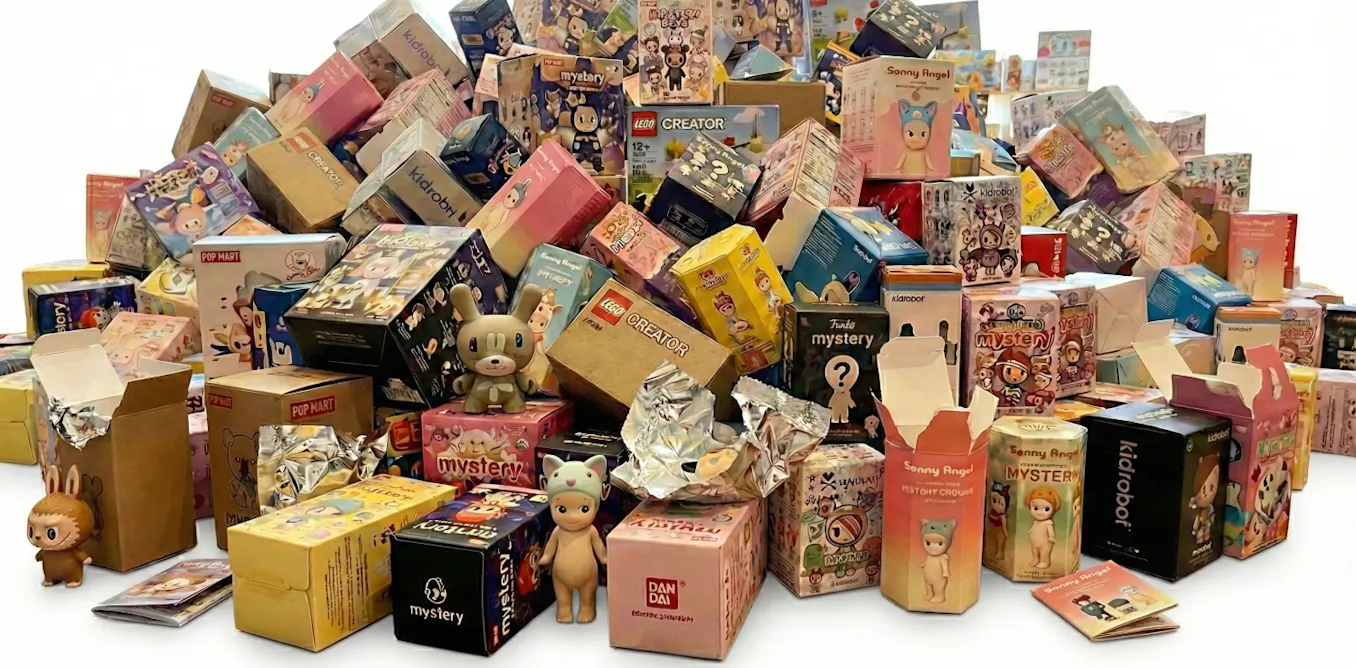
Blind boxes, sealed collectible packages that reveal random contents only after purchase, operate like gambling mechanics tailored for children. Parents increasingly struggle with how frequently kids want to buy them, raising concerns about addiction and spending habits that mirror casino-style games of chance.
The appeal lies in mystery and unpredictability. Children don't know what figure, character, or item they'll receive until opening the box, creating the same dopamine-driven reward loop that makes gambling addictive. Some blind box brands cost $5 to $15 per box. Kids often buy multiple boxes chasing rare variants, spending substantial money without guaranteed payoff.
Retailers including Target, Walmart, and specialty toy shops stock blind box products from manufacturers like Funko, Pop Mart, and Sonny Angels. Sales have exploded in recent years as Gen Z collects them obsessively.
The mechanics use gambling principles. Loot boxes in video games share identical structures. Both rely on variable reward schedules, psychological tactics that neuroscience shows activate the brain's reward centers in ways similar to actual gambling. Children's developing brains remain particularly vulnerable to these patterns.
Parents can establish boundaries without banning the purchases outright. Set spending limits per month. Require children to use their own allowance or earned money rather than providing unlimited parental funding. Discuss odds and the reality that some blind boxes contain common items while rare variants carry inflated secondary market prices.
Talk openly about why the randomness feels exciting and examine whether the urge to buy stems from genuine interest or compulsive need. Teaching financial literacy alongside collecting helps kids understand sunk costs and probability.
Schools and parents should monitor signs of addictive behavior. Kids spending lunch money on blind boxes or experiencing distress when unable to purchase warrant closer attention. Some families find success