# What Schools Need to Know About Accessibility Compliance as ADA Deadline Looms
A federal deadline for digital accessibility compliance is pushing schools to overhaul how they deliver content to students and families with disabilities. Recent updates to the Americans with Disabilities Act require public schools to ensure websites, learning platforms, documents, and videos meet specific accessibility standards.
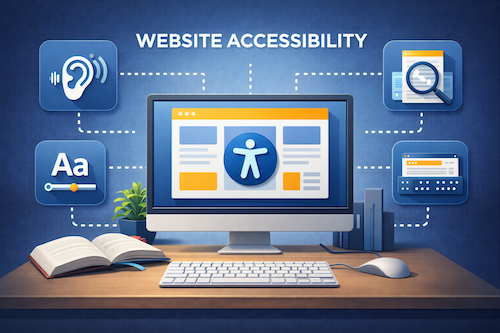
The compliance requirements stem from evolving interpretations of the ADA, which prohibits discrimination against people with disabilities. Schools must now guarantee that students who are blind, deaf, or have mobility impairments can access the same educational content as their peers. This means adding alt text to images, captions to videos, ensuring websites work with screen readers, and providing accessible document formats.
Many districts face significant technical and financial hurdles. Schools report needing to audit thousands of documents, retrofit legacy systems, and train staff on accessibility practices. The compliance work extends beyond student-facing platforms. Parent portals, enrollment systems, and community communications must also be accessible under the ADA updates.
Districts that miss the deadline risk federal complaints, costly litigation, and loss of federal education funding. The Department of Education has already received numerous accessibility complaints from disability rights organizations targeting school districts nationwide.
Some schools are responding by adopting automated accessibility tools and hiring dedicated compliance officers. Others partner with vendors who specialize in retrofitting digital content. The investment varies widely. Small districts report spending tens of thousands of dollars. Large urban systems project six-figure expenses.
Experts urge schools to begin audits immediately and prioritize the most-used platforms first. Student information systems, learning management systems, and official websites should receive early attention. Staff training on accessible document creation can prevent future compliance problems.
The deadline reflects growing recognition that digital access is essential to education equity. Students with disabilities cannot fully participate in online learning, apply to programs, or communicate with teachers if platforms remain inaccessible. Districts that treat compliance