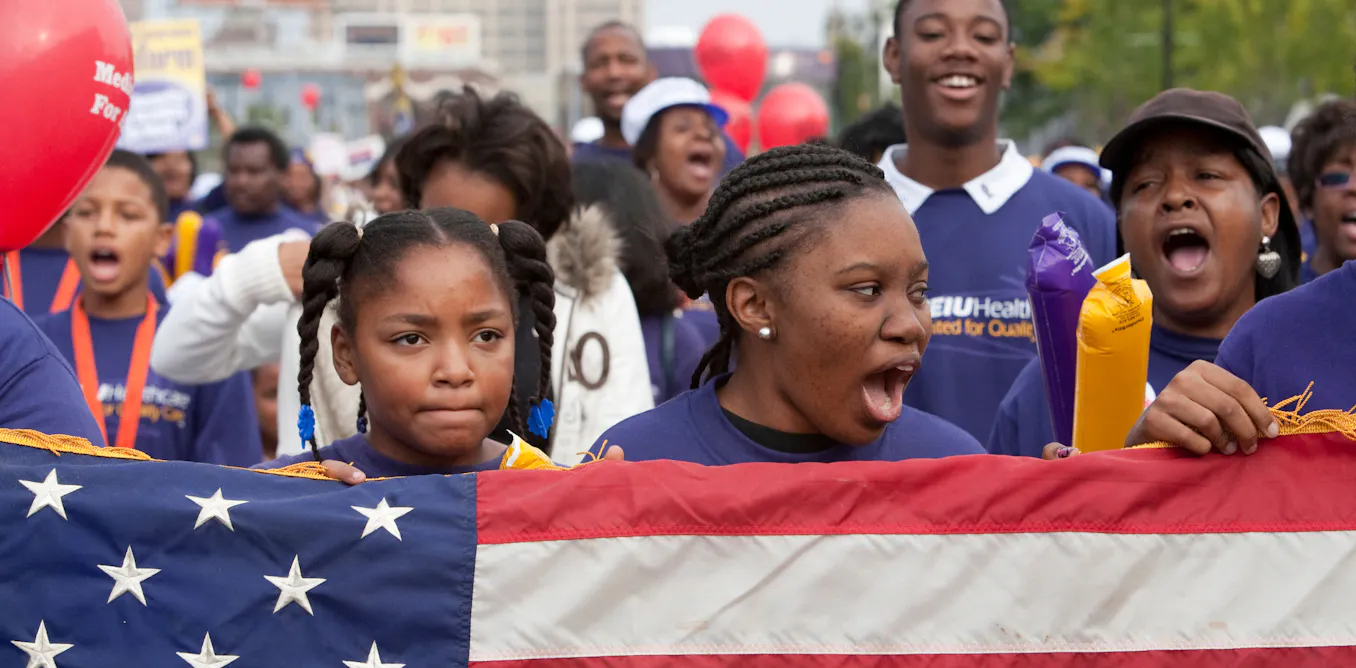
# USA at 250: The Black American Struggle for Life, Liberty and the Pursuit of Happiness
The founding promise of American independence rests on ideals articulated in the Declaration of Independence. Yet from the nation's earliest days, Black Americans have fought to make those ideals real.
The struggle for Black freedom has shaped how the entire country understands liberty. African Americans asserted claims to the rights promised in founding documents while facing systemic denial of those same rights. This contradiction lies at the heart of American history and continues to influence contemporary debates about equality, justice, and opportunity.
Educational institutions have a direct stake in this history. Schools teach the founding principles while also bearing responsibility for teaching the full historical record. How educators frame the Black American experience determines what students understand about the nation's founding promises and their fulfillment.
The fight for voting rights, equal access to education, economic opportunity, and bodily autonomy defines African American civic participation across centuries. From the abolitionist movement through Reconstruction, Jim Crow resistance, the Civil Rights Movement, and ongoing struggles for racial equity, Black Americans have consistently forced the nation to confront gaps between its stated values and actual practice.
Today, this history remains directly relevant to school policy. Issues including curriculum design, school funding equity, discipline disparities, and representation in advanced academic programs all connect to longer patterns of inequality. When schools make decisions about what history to teach and how to teach it, they make choices about which struggles for freedom receive attention and which get minimized.
Understanding the Black American experience as central to the American story, rather than peripheral to it, changes how institutions approach education itself. It requires acknowledging that the pursuit of happiness promised to all has been systematically withheld from some. As the nation approaches its 250th anniversary, schools face decisions about whether to reckon fully with this history or maintain partial accounts that obscure the long Black struggle that has continuously