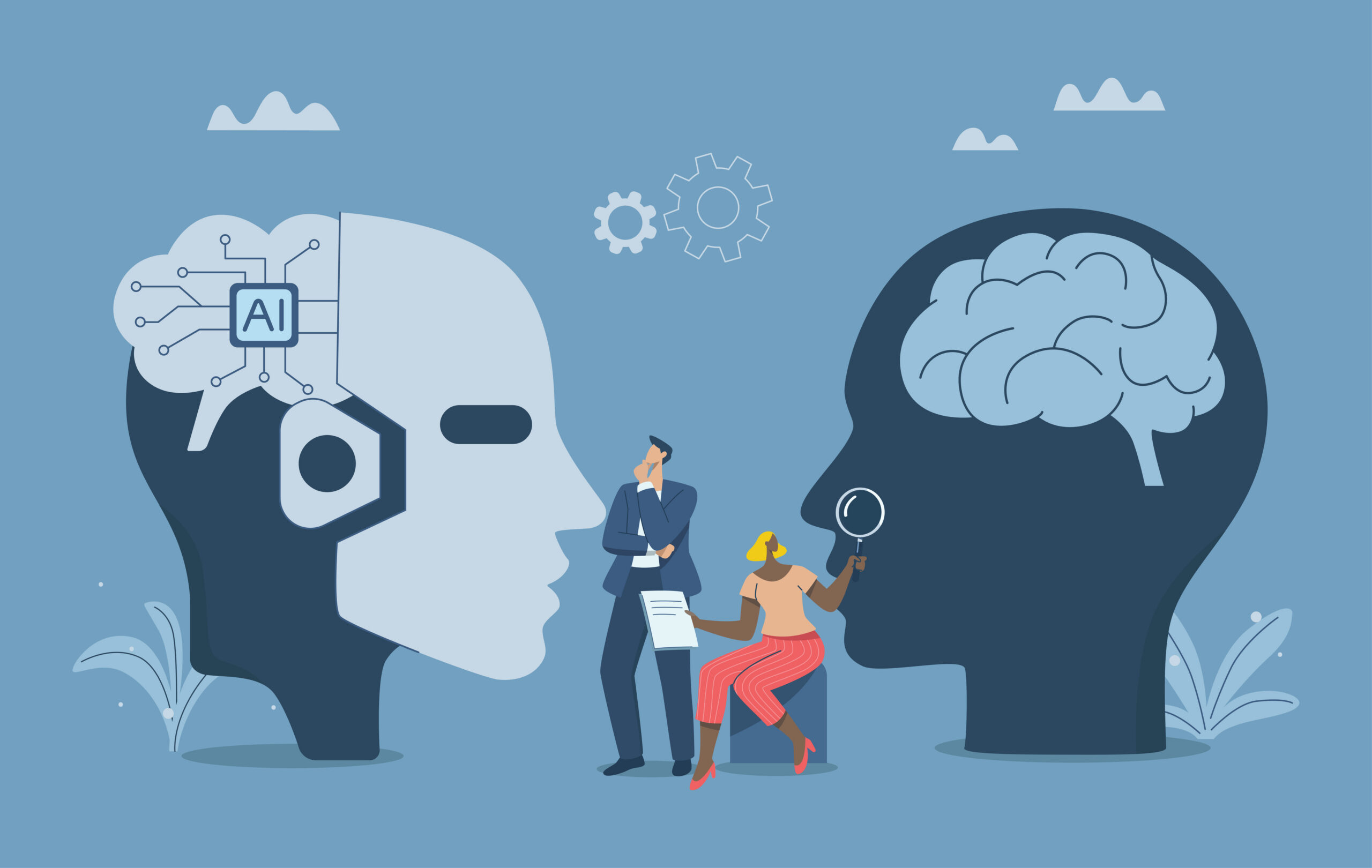
College professors are reshaping assignments as free AI tools like ChatGPT and Copilot become standard student resources. Two faculty members illustrate contrasting strategies for adapting to this reality.
Traditional essay assignments face obsolescence when students can generate coherent text instantly. The old deterrent of paid essay mills no longer works. Students now access sophisticated AI at no cost, making previous academic integrity frameworks inadequate.
Some professors respond by doubling down on proctored exams and in-class assessments that leave no room for AI assistance. This approach eliminates take-home assignments entirely, forcing evaluation through real-time demonstration of knowledge.
Other instructors move in the opposite direction. They redesign assignments to require AI use as a tool while building in accountability mechanisms. These faculty might ask students to use ChatGPT to draft initial responses, then require substantial revision, critical analysis, or integration with original research. Students must document their AI use and explain their reasoning for accepting or rejecting machine-generated suggestions.
The shift forces harder conversations about learning goals. If an assignment can be completed by an AI in seconds, the professor must ask whether the task teaches anything worth learning. Busy work becomes indefensible.
Some institutions are developing AI literacy standards, teaching students to evaluate AI outputs, understand their limitations, and use them ethically. Others mandate disclosure policies requiring students to cite AI assistance, similar to source citations.
The stakes affect grading, course design, and accreditation. Universities face pressure to demonstrate that degrees represent genuine student learning, not just proof of enrollment. Employers increasingly ask whether graduates can actually think critically and solve novel problems.
Neither approach works universally. A chemistry lab cannot operate the same way as a philosophy seminar. STEM disciplines emphasize problem-solving processes; humanities courses emphasize argumentation and interpretation. Both face pressure to prove that AI has not rendered their core assignments meaningless.