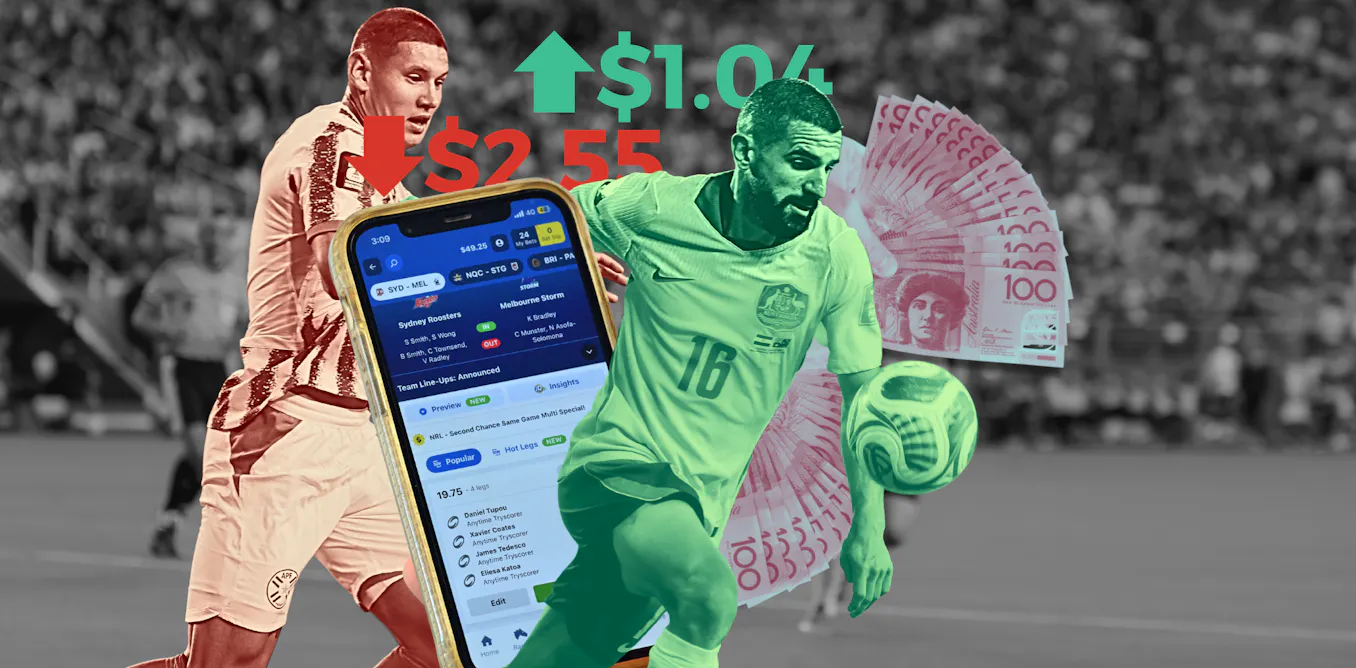
Australia's gambling advertising restrictions during live sports broadcasts face a major loophole. Betting companies exploit sponsorship deals and indirect marketing to reach World Cup viewers despite formal ad bans, according to analysis from The Conversation.
The issue centers on how Australian regulators define "advertising" narrowly. Direct betting commercials face restrictions during live sports, but sponsorship logos, team uniforms with betting brand names, and stadium signage operate in a legal grey area. Gambling operators leverage these channels to maintain visibility with audiences, especially during high-profile events like the FIFA World Cup.
Betting companies also use social media, influencer partnerships, and content marketing to circumvent traditional broadcast restrictions. These tactics reach younger viewers who consume sports content through digital platforms rather than traditional television. The regulatory framework has not kept pace with how modern sports marketing operates across multiple channels.
This gap matters for public health advocates who warn about gambling's harms. Australia has seen rising gambling-related harm, particularly among young people. While the government banned direct gambling ads during live sport, the sponsorship workaround undermines that policy goal. Viewers still encounter betting brand messaging frequently throughout World Cup broadcasts.
Regulators face pressure to close these loopholes. Some argue for stricter definitions that include sponsorship, stadium branding, and digital content. Others worry such restrictions could affect sports funding, since betting companies provide significant revenue to teams and broadcasters.
The tension reflects a broader global challenge. Many countries ban gambling advertising during sports but struggle to enforce consistent rules across sponsorships and emerging digital platforms. Australia's World Cup coverage demonstrates how effective restrictions on one advertising channel simply redirects marketing spending to others.
Sports betting remains legal in Australia with proper licensing, but the gap between policy intent and actual viewer exposure reveals the need for more comprehensive regulatory approaches.