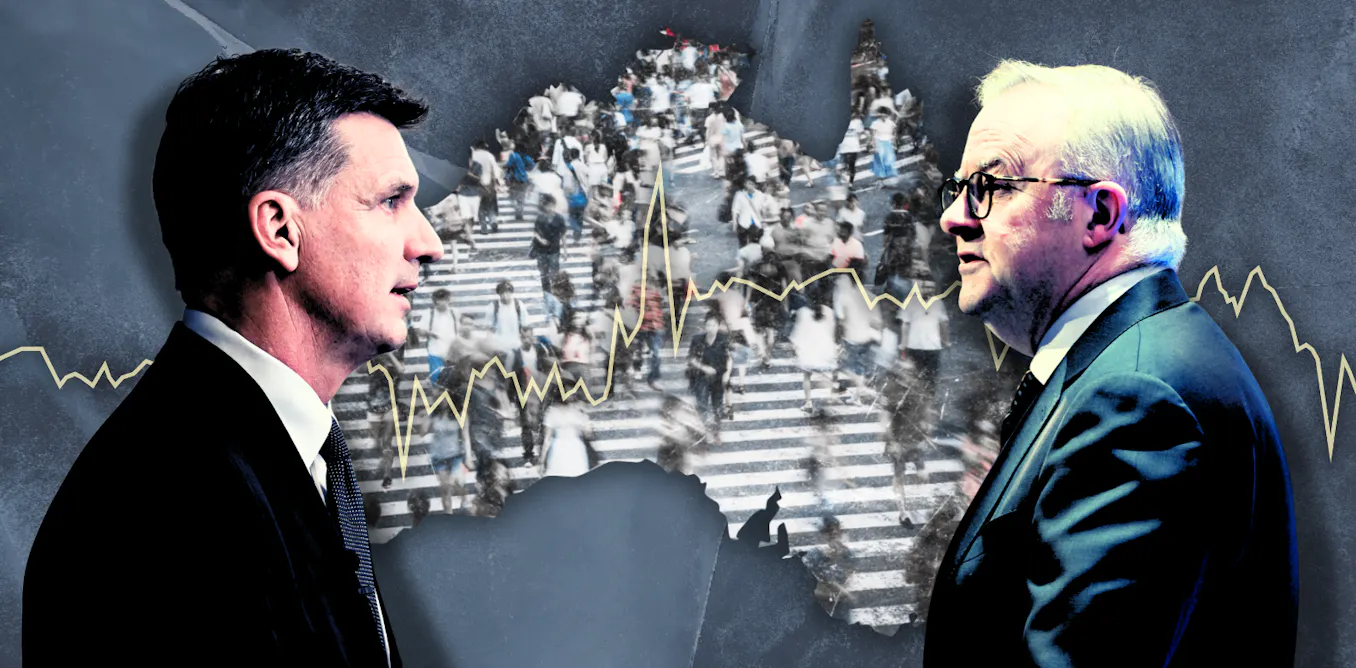
Australia's migration system operates without a coherent long-term strategy, leaving policymakers unable to answer a fundamental question: what should the country's actual migration level be?
The absence of careful planning creates confusion across government departments and the public. Unlike other major immigration nations, Australia has not developed a comprehensive framework that ties migration targets to economic needs, infrastructure capacity, or social integration capabilities. Instead, decisions emerge from political cycles and reactive policymaking rather than evidence-based forecasting.
This lack of planning affects education systems directly. Universities depend on international student revenue, which fluctuates with migration policy shifts. Schools in high-immigration areas struggle to resource language support and integration programs when enrollment patterns remain unpredictable. Vocational training providers cannot align course offerings with skilled migration priorities when those priorities lack clarity.
The education sector also faces uncertainty around workforce planning. Teachers, nurses, and other professionals migrate to Australia through skilled migration pathways, but without clear migration targets, training institutions cannot predict demand or plan enrollment accordingly. This creates bottlenecks in both domestic workforce development and the ability to fill critical shortages.
Government agencies themselves disagree on migration's appropriate scale. Different departments prioritize conflicting goals: economic growth, infrastructure sustainability, housing availability, and social cohesion. Without a unified plan, these tensions remain unresolved.
The Conversation notes that successful migration systems elsewhere, including Canada and New Zealand, base decisions on detailed assessments of labor market needs, fiscal impacts, and integration capacity. Australia has resisted this approach, instead allowing migration levels to rise and fall based on temporary political pressure or economic conditions.
Education institutions, employers, and communities all need predictability. A planned approach would allow schools to resource language programs appropriately, universities to balance international enrollment with domestic capacity, and training providers to align programs with actual labor demand. Without such planning, Australia's migration system continues to operate in reactive mode, serving no one