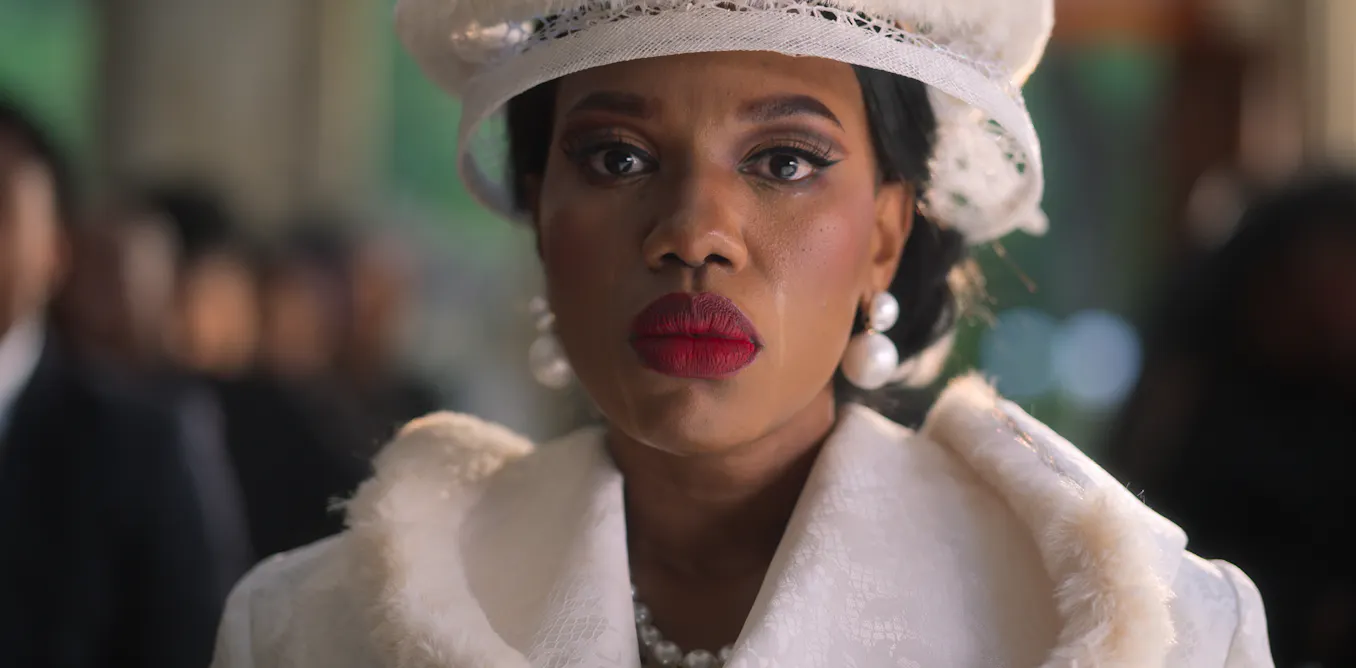
# Netflix's "The Polygamist" Sparks Debate About Power, Gender, and Black Communities
Netflix's "The Polygamist" has generated widespread conversation by examining how power dynamics, personal desires, and patriarchal structures intersect within Black communities. The series explores the lives of individuals navigating polygamous relationships, layering these intimate stories against broader questions about autonomy, economic stability, and cultural identity.
The show's appeal lies in its unflinching look at how traditional authority structures function within private relationships. Characters pursue personal happiness and financial security while operating within systems that privilege male decision-making. This tension between individual aspiration and structural constraint drives much of the narrative momentum.
Viewers globally have engaged with the series because it refuses simple moralizing. Rather than presenting polygamy as inherently good or bad, the show examines what people seek through these arrangements. Economic vulnerability, desire for companionship, and community belonging all factor into characters' choices. Women in the series navigate complex trade-offs between security and autonomy, often finding neither fully available.
The series also documents how these private arrangements reflect larger patterns in Black communities regarding wealth accumulation, family formation, and social status. The show positions polygamy not as an isolated choice but as embedded within economic and social realities that shape relationship options.
Critics note that "The Polygamist" succeeds because it presents nuanced human beings rather than cautionary tales or celebrations. Characters demonstrate agency while facing genuine constraints. This complexity has resonated with audiences examining their own relationship structures and community values.
The global conversation the series has sparked extends beyond entertainment. Educators and sociologists have cited it in discussions about gender dynamics, cultural practices, and how communities negotiate tradition with contemporary values. Parents and young adults use the show as a starting point for conversations about relationships and power.
The series demonstrates television's capacity to prompt serious cultural examination when storytellers treat