College faculty often hesitate to integrate the UN Sustainable Development Goals into their teaching, believing the task demands extensive curriculum overhauls and specialized training in sustainability. A competency-based approach challenges this assumption, offering a practical framework that requires minimal disruption to existing courses.
The three-move strategy works within established pedagogical methods. Faculty can embed SDG content using active learning, reflective practice, and other teaching techniques already familiar to most instructors. This approach treats SDG integration not as a separate initiative but as a natural extension of what educators already do well.
The barrier many faculty cite is institutional. They worry about time constraints, curriculum redesign requirements, and the need for sustainability expertise they don't possess. The competency-based method sidesteps these obstacles by treating SDGs as learning outcomes that connect to existing course content rather than requiring wholesale restructuring.
This matters because employer surveys consistently show that graduates need skills tied to sustainable development. Environmental literacy, systems thinking, and global awareness increasingly shape hiring decisions across sectors. Yet institutions struggle to thread these competencies throughout their curricula without faculty buy-in.
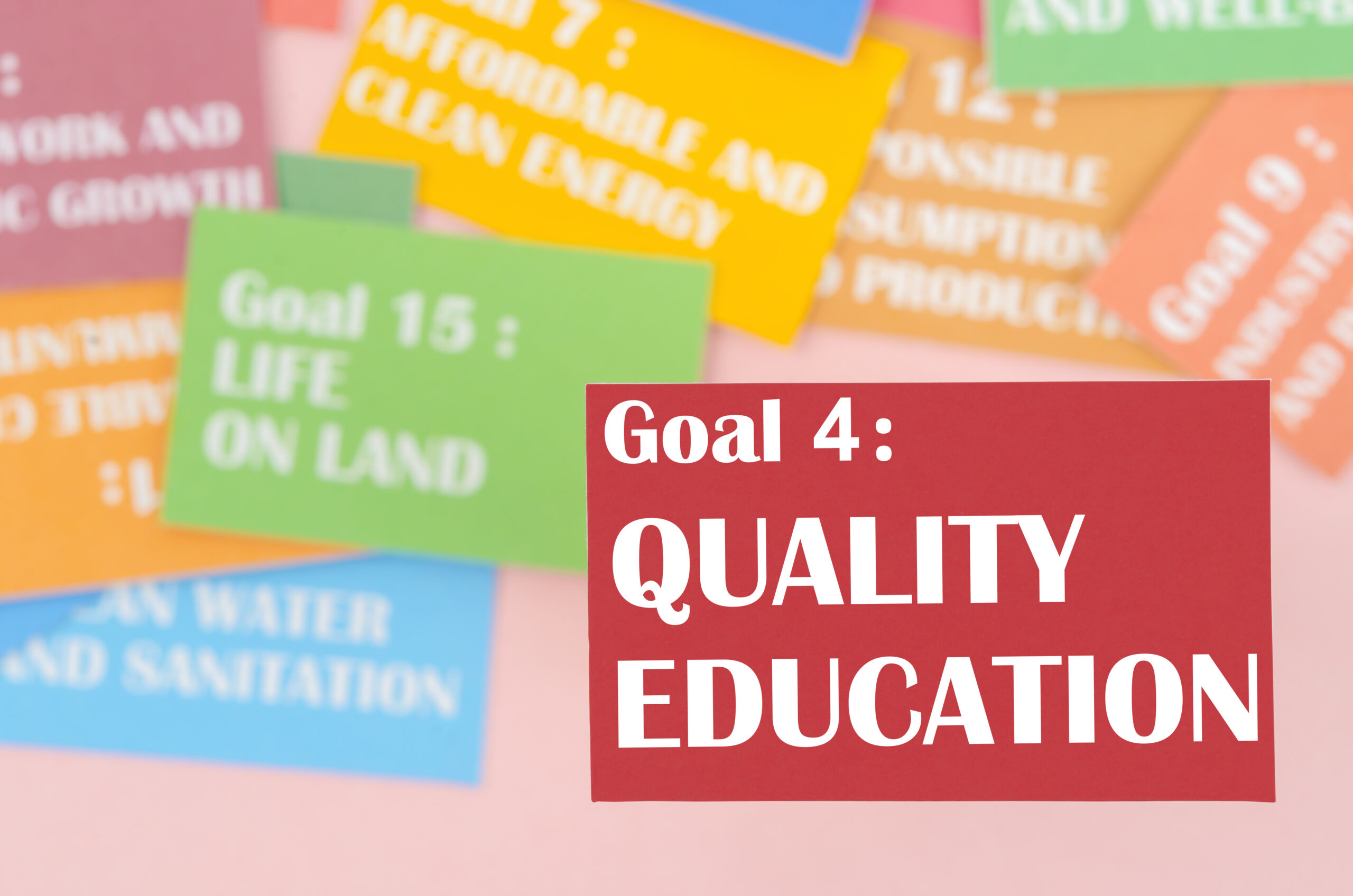
The practical appeal of this approach lies in its efficiency. Faculty need not become sustainability experts. Instead, they identify where their existing content already connects to one or more SDGs, then scaffold student learning around those natural connections. A business course might examine corporate environmental responsibility. A chemistry class could explore clean energy. An education program might address quality education access. The SDGs become a lens rather than a burden.
The method also aligns with accreditation trends. Colleges increasingly face pressure to demonstrate that students graduate with globally informed perspectives and problem-solving skills. Embedding SDGs competency-by-competency allows institutions to show this learning happens across disciplines, not just in standalone sustainability courses.
For faculty considering integration, the competency-based approach removes the false choice between maintaining their courses as-is and conducting major redesigns.