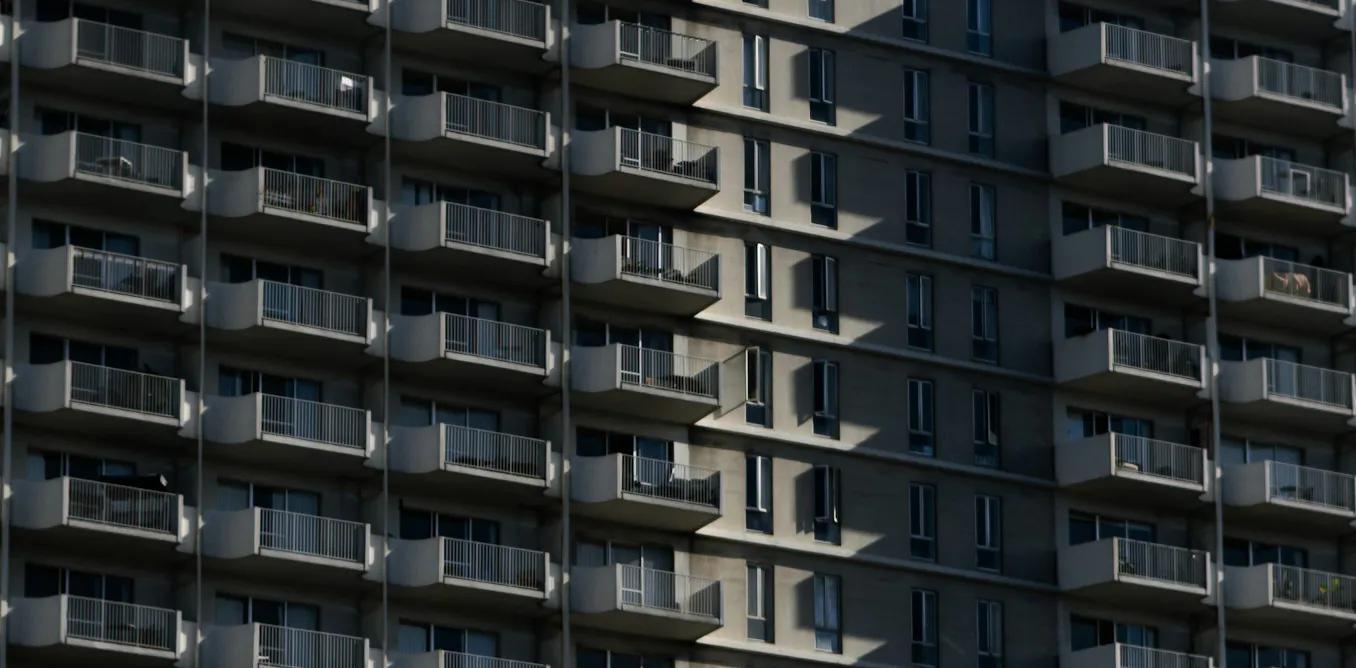
Climate change will render many Sydney apartments uninhabitable for extended periods within the next 25 years unless construction standards change immediately, researchers warn.
A new analysis projects that apartments built to current building codes will experience temperatures exceeding human comfort thresholds for four weeks annually in inner-city areas like Redfern and more than seven weeks in outer suburbs such as Penrith by 2050. The research, published through The Conversation, models how existing thermal standards fail to account for escalating heat stress from climate warming.
Current Australian building standards rely on passive cooling and insulation approaches designed for historical climate conditions. These standards assume moderate summer temperatures that no longer reflect scientific projections. Apartments in western Sydney suburbs face the most acute risk, as heat island effects compound rising ambient temperatures in areas with less tree canopy and green space.
The findings carry direct implications for renters and homeowners. During these extreme heat periods, residents will depend heavily on air conditioning to maintain livable conditions, creating vulnerability for low-income households that cannot afford constant cooling. Energy costs will spike, and grid demand during peak summer heat events threatens system stability across New South Wales.
Building codes must shift immediately to incorporate higher cooling loads and passive design strategies suited to future climates. This includes enhanced insulation, external shading systems, natural ventilation pathways, and reflective materials that reduce heat absorption. New apartment developments should meet standards for climates projected 30 to 50 years forward, not current conditions.
The research underscores a broader infrastructure planning failure. Building regulations typically lag climate science by years or decades. Sydney's rapid apartment development, particularly in outer suburbs targeted for population growth, locks in today's inadequate standards for generations of future residents.
Retrofitting existing stock presents a massive challenge and expense. Retrofitting costs often exceed new construction standards, making mass upgrades economically unfeasible. This creates a two-