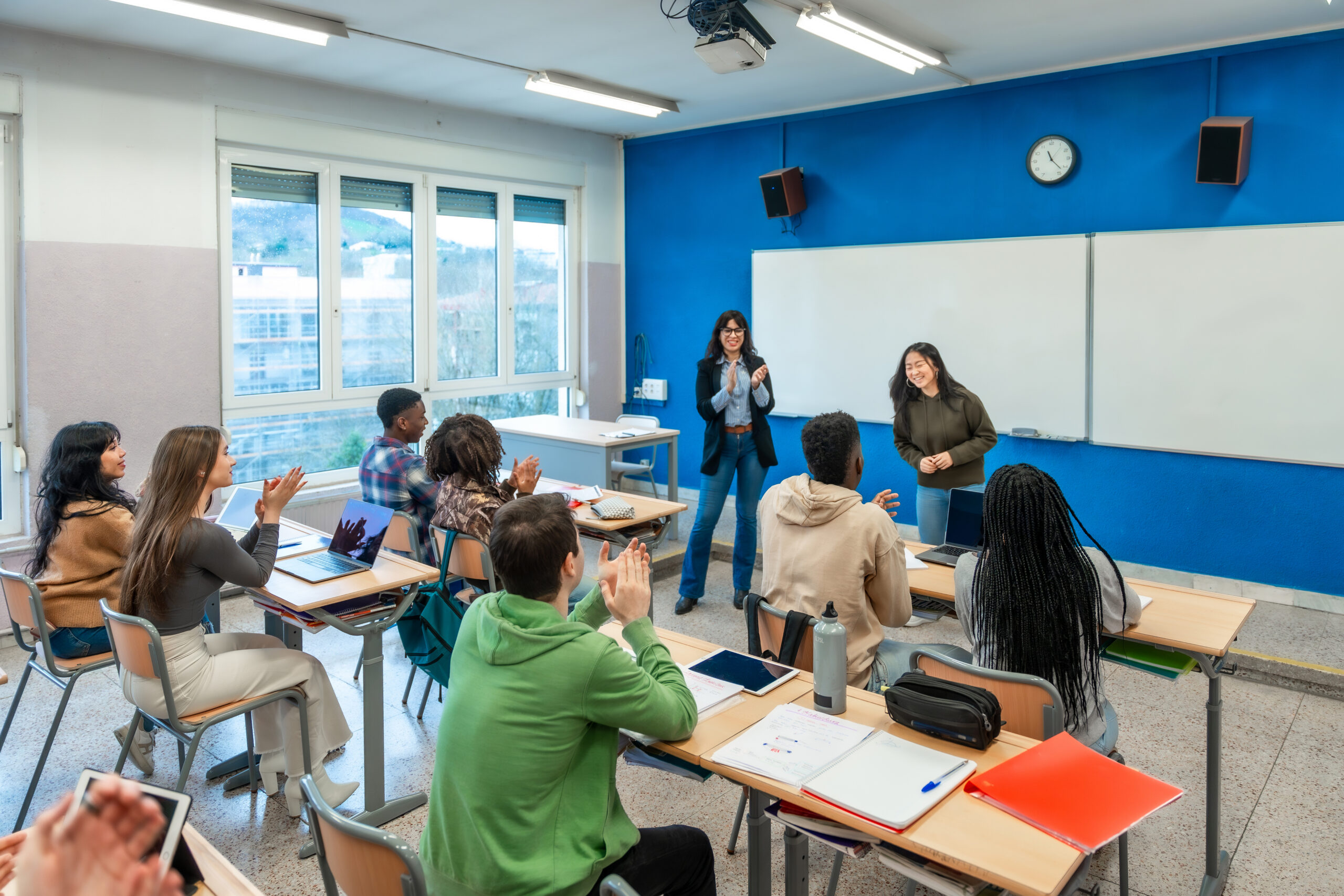
College instructors can build psychological safety in classrooms by intentionally structuring cooperative learning and experiential activities, research from Faculty Focus shows. Psychological safety—the belief that one can take interpersonal risks without fear of embarrassment or punishment—directly shapes student belonging, engagement, and well-being alongside academic performance.
The approach combines two teaching strategies. Cooperative learning requires students to work together toward shared goals, with individual accountability built into group tasks. Experiential learning engages students in direct experience, reflection, and application of knowledge. When faculty pair these methods with strong pedagogical content knowledge (PCK)—understanding not just what to teach but how students learn specific material—the combination transforms classroom dynamics.
The mechanism works through deliberate design. Instructors must structure group work with clear roles, interdependent tasks, and reflection opportunities. They create norms where mistakes become learning moments rather than sources of shame. Experiential activities allow students to test ideas, fail safely, and revise thinking in real time.
This matters because many students report feeling anxious about speaking in class, asking questions, or challenging ideas. When psychological safety exists, students participate more fully, take intellectual risks, and develop deeper understanding. Research in organizational psychology has long documented that psychologically safe environments boost both performance and innovation.
Faculty designing courses should start by auditing their current structure. Are group tasks truly interdependent, or can students succeed individually? Do reflective components ask students to surface assumptions and learn from missteps? Do classroom norms explicitly welcome questions and incomplete thinking?
The evidence suggests payoffs extend beyond comfort. Students in psychologically safe, collaborative classrooms show higher retention of material, stronger critical thinking skills, and increased sense of belonging to their field—particularly for first-generation and underrepresented students who often question whether they belong in higher education.