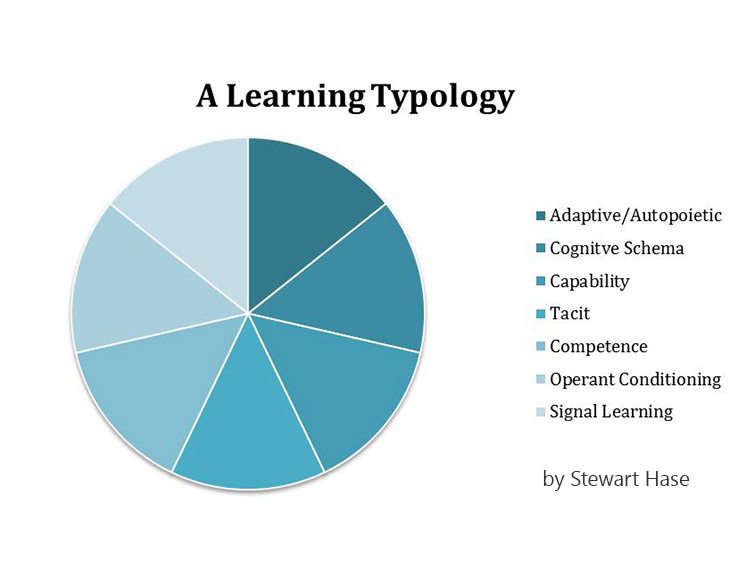
# A Learning Typology Identifies Seven Distinct Ways Students Come To Understand
TeachThought has released a learning typology that outlines seven different pathways through which students acquire understanding. The distinction matters. A typology organizes ways of thinking without ranking them, while a taxonomy creates hierarchies. This framework rejects the idea that one learning pathway sits above others.
The typology addresses a persistent problem in education. Schools often default to a single instructional model, typically lecture-based or text-dependent learning. Yet research shows students develop understanding through varied cognitive processes. Some learn by doing. Others learn through observation, collaboration, dialogue, or creative expression. Still others understand concepts through sensory experience or abstract reasoning.
The seven learning pathways in this typology reflect how the brain actually works. They move beyond the learning styles debate, which research has largely debunked, and instead focus on the cognitive mechanisms behind genuine understanding. The framework serves classroom teachers, curriculum designers, and administrators trying to make instruction more responsive to how students actually learn.
This approach has direct implications for lesson design. Teachers using this typology can audit their instruction to see which pathways they activate regularly and which remain dormant. A teacher relying heavily on discussion might discover students need more hands-on experience. Another might notice their visual presentations overlook kinesthetic learners' need for physical engagement.
The typology also informs assessment. If understanding can be reached through multiple pathways, then proving understanding should allow multiple pathways too. This suggests diversifying how students demonstrate learning beyond traditional tests and essays.
TeachThought frames this as a practical tool for educators navigating the gap between learning science and classroom practice. Rather than prescribing one "best" way to teach, the typology offers a flexible framework. Teachers choose which pathways to activate based on content, student needs, and learning objectives.
The resource reflects growing recognition that effective instruction