A psychology professor describes a classroom technique designed to deepen student engagement by connecting abstract course material to real-world situations. The method, called peer-generated application retrieval, shifts learning away from memorization-focused exam preparation toward practical relevance.
The approach builds on established research showing that students develop stronger understanding and retain information longer when they see how concepts apply to their own lives. Rather than presenting psychology theories as standalone material, the instructor structures activities around student-generated examples and peer discussion about how those concepts operate in everyday contexts.
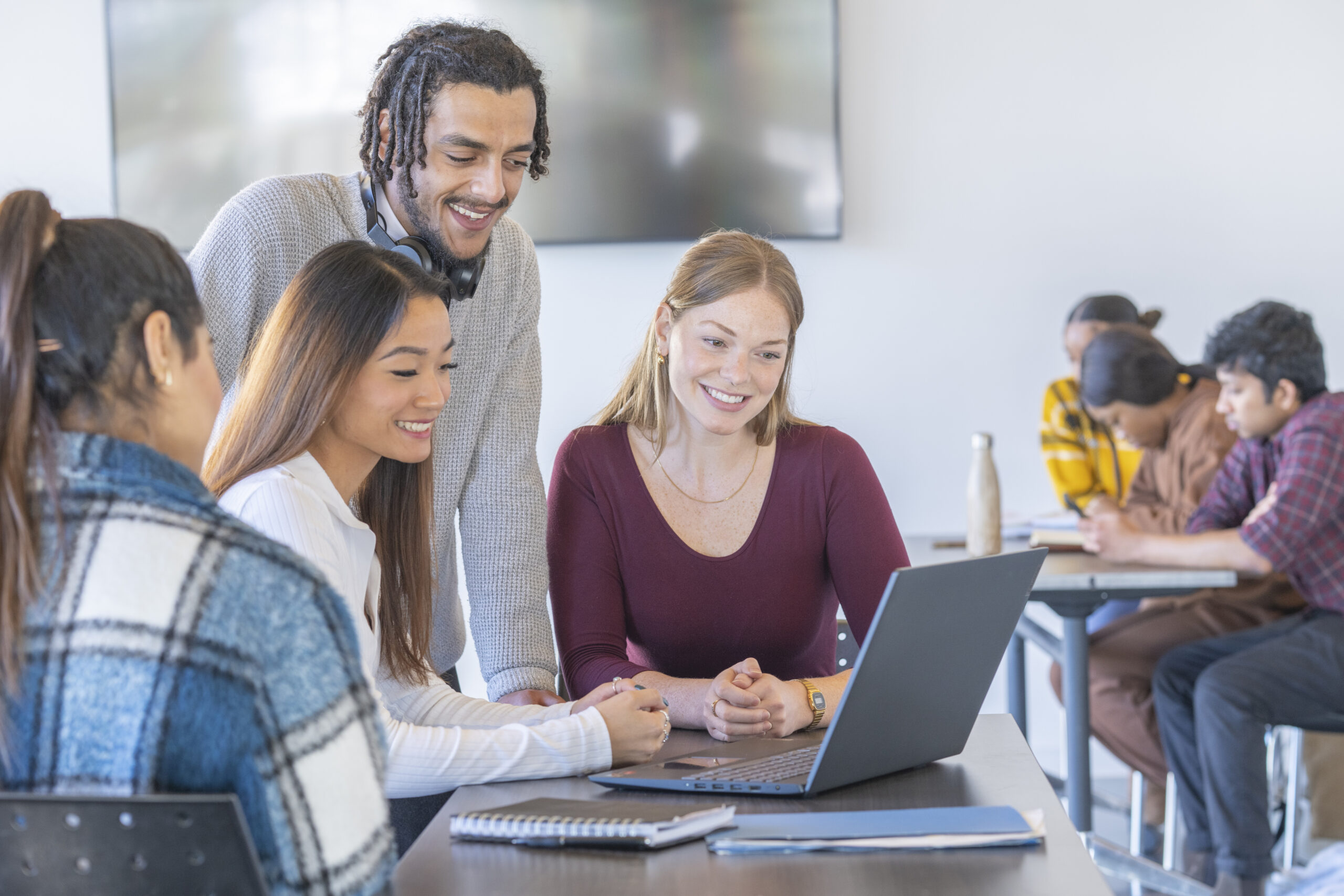
The technique works by having students identify real-life applications of course content, then share those examples with classmates. This peer exchange accomplishes multiple goals simultaneously. Students discover diverse applications beyond textbook illustrations. They articulate connections in their own words, reinforcing comprehension. They learn from each other's examples, which often feel more relatable than instructor-provided scenarios.
The method addresses a persistent challenge in higher education: maintaining student motivation in foundational courses. Psychology courses, while popular, risk becoming collections of terminology and research findings divorced from student experience. When students understand why they should care about a concept before memorizing its definition, engagement typically increases.
Implementation requires minimal additional preparation. Instructors can incorporate peer-generated applications into existing class sessions through brief group discussions, written reflections shared in small groups, or online discussion boards where students post examples related to upcoming lessons.
This approach aligns with learning science research on active learning, elaboration, and peer learning. When students generate their own examples rather than passively receiving them, cognitive effort increases. When they explain applications to peers, they process information more deeply than during individual study.
The technique works across psychology subdisciplines, from developmental psychology where students connect theories to their own adolescence or parenting observations, to organizational psychology where examples emerge from campus or workplace experiences. The shared examples create community while validating student experience as a legitimate knowledge source alongside academic literature.